
Original submission details
Original title: Re: Land Rover: More Than a Vehicle – A Brand Built on Heritage, Adventure and Emotion
View original KEATS context ↗ (university access required).
3.9 Linking products to emotional benefits
Look for examples of how products have been linked to emotional branding and share your findings on the discussion forum:
Does the communication cover both functional and emotional benefits? Is it a product you would expect to be associated with intangible emotional benefits, or is it an ‘everyday’ consumer good that has been endowed with some ‘higher order’ concept to link it emotion?
Course task reproduced as context. The response below is Fiona’s independent academic work. KEATS source ↗ (university access required).
Explore writing on this question ↗Hi Matthew,
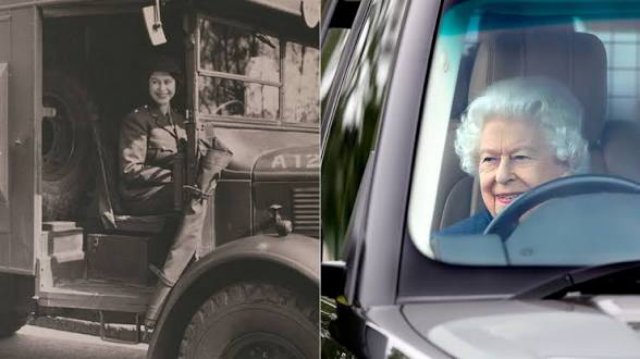
You make a strong point that Land Rover’s greatest strength isn’t simply what the vehicle can do, but what it represents. As you say, plenty of manufacturers now produce highly capable 4x4s, so capability alone is no longer enough to create a lasting competitive advantage. The heritage, stories and emotional connections are what make Land Rover difficult to imitate. It helps to be plugged by the queen.
The challenge of maintaining brand authenticity as consumer behaviour changes but I just read the module section about nostalgia so this brand lives in that realm. Beverland (2005) argues that authenticity is not just about preserving heritage but about remaining true to a brand’s core values while continuing to evolve. Land Rover seems to be facing exactly this challenge. especially with Tata making it feel less of what it was. Many of its vehicles are now driven primarily in urban environments rather than the remote landscapes featured in its communications, so the brand has to ensure that its story still resonates with today’s customers.
A good real-world example is the launch of the electric Range Rover and Defender’s continued move towards electrification. Which I don't recommend yet the grids are not set up for it in the country side and these cars have many issues. This I say with personal experience. Land Rover is responding to increasing consumer expectations around sustainability while trying to preserve the adventure, resilience and prestige that define the brand. It will be interesting to see whether customers view electrification as a natural evolution of the brand or whether it risks weakening some of the heritage that has made Land Rover distinctive for more than 75 years. The Rover people I know are a bit allergic to woke movements.
Your right about nostalgia because it links closely to Keller’s (1993) concept of customer-based brand equity. Emotional associations built over decades often become a much stronger source of competitive advantage than product features alone, especially when competitors can replicate technology more quickly than they can replicate a brand’s history and meaning. I will be going back to an old dinged up Defender in a few months and trading in my electric car!
Images from the original
References.
- Beverland, M. (2005). Crafting brand authenticity: The case of luxury wines. Journal of Management Studies, 42(5), 1003-1029.
- Keller, K. L. (1993). Conceptualising, measuring, and managing customer-based brand equity. Journal of Marketing, 57(1), 1-22.