
Original submission details
Original title: 🏭 Manufacturing changes that reduce waste
View original KEATS context ↗ (university access required).
5.7 How can businesses reduce packaging_
Think about a particular product. Perhaps it’s a product you buy, or maybe even a product you help to sell in your day job. Are there any ways you could reduce the product packaging, or reduce waste in general through the product’s manufacturing methods?
Course task reproduced as context. The response below is Fiona’s independent academic work. KEATS source ↗ (university access required).
Explore writing on this question ↗Original response
Submitted · 3:09 PM🏭 Manufacturing changes that reduce waste
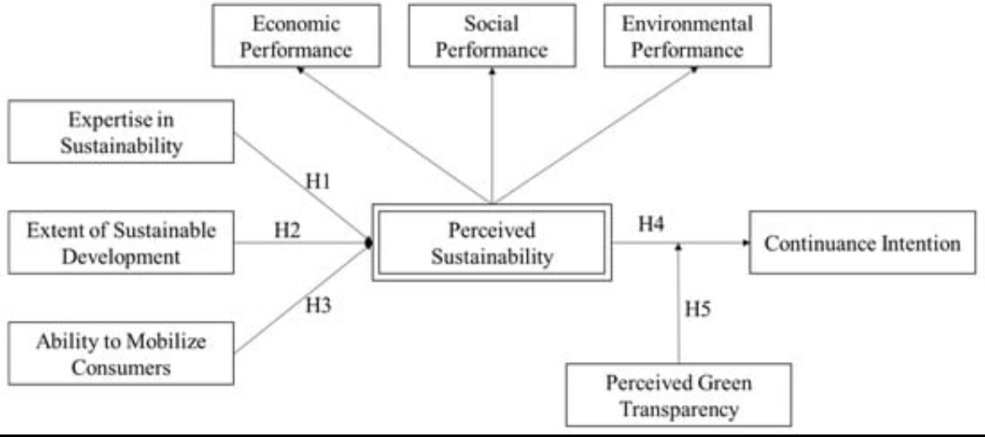
Packaging reduction has emerged as a strategic priority for businesses seeking to align environmental sustainability with brand value creation. From a marketing perspective, excessive packaging increases operational costs and also negatively influences consumer perceptions of corporate responsibility. Research indicates that environmentally conscious consumers increasingly evaluate brands based on visible sustainability practices, including packaging choices (White, Habib and Hardisty, 2019).
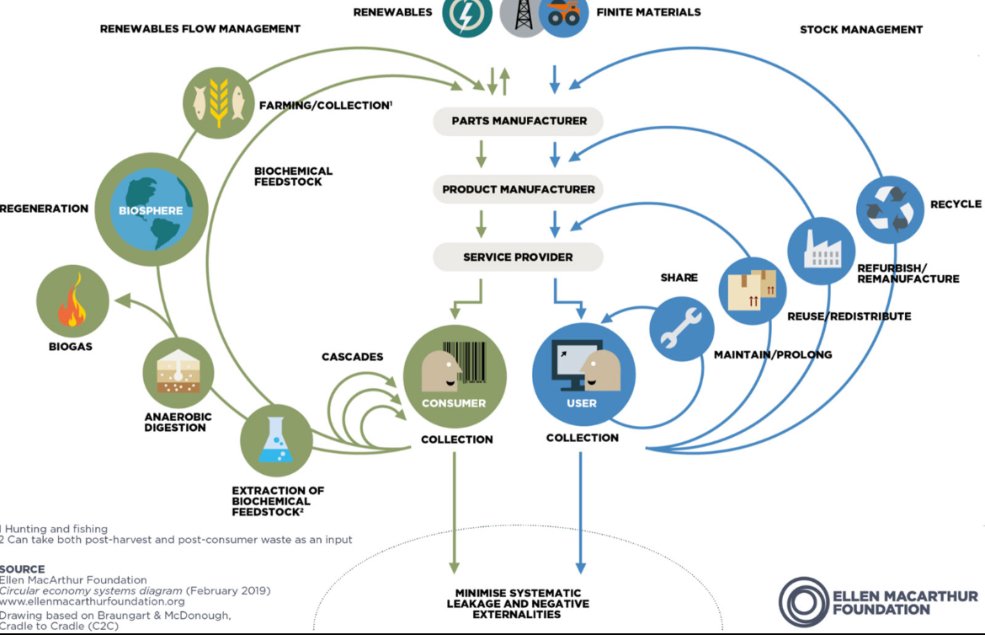
In the personal care sector, where concentrated and refill-based product systems significantly reduce material use and transport emissions. Shifting from single-use plastic bottles to refillable containers or solid formats, firms lower packaging inputs and reinforce sustainable brand positioning. Enabling differentiation in saturated markets by appealing to ethical consumption values (Kotler and Keller, 2016). Historically, reuse-based systems such as returnable glass bottles demonstrate that low-waste models are not novel but have been displaced by convenience-driven single-use packaging. Contemporary innovations revive these models through modern logistics, digital tracking, and incentive-based return schemes. These initiatives support long-term customer relationships and enhance brand trust.
In conclusion, reducing packaging should be viewed as an operational decision and as a marketing investment that strengthens brand equity, supports regulatory compliance, and responds to evolving consumer expectations.
Images from the original
Follow-up response
Submitted · 11:16 PMRe: 🏭 Manufacturing changes that reduce waste
Nadine, I actually think the refill question becomes more interesting if we stop looking at it as a consumer habit issue.
Single-use packaging did not become dominant because people deeply love throwing things away. It became dominant because it was cheap to produce, easy to transport, and the environmental costs were not included in the price. Oil was cheap. Waste disposal was someone else’s problem. Companies built their entire supply chains around speed and scale. Over time, that system made disposability feel normal and convenient.
So the bigger question is not whether consumers will stick with refill systems. The bigger question is whether the economic conditions that made single-use so efficient are starting to change.
Today, companies face carbon reporting rules, waste regulations, investor pressure around ESG, and rising resource costs. Those pressures make disposable systems less attractive. When the rules of the game shift, what used to look efficient can start to look risky.
That is why firms like Unilever and L’Oréal are investing in refillable formats. It is not just about appearing sustainable. It is about preparing for a future where waste and carbon are no longer cheap. Even platforms like Loop show that reuse systems can work if companies redesign logistics instead of just adding refill as an afterthought.
On the question of whether sustainability is still a competitive advantage or just expected, I think it is shifting. At first, being sustainable helps you stand out. Over time, it becomes something customers, regulators, and investors simply expect. At that point, the advantage is not saying you are sustainable. It is actually building your operations around it in a way that lowers risk and improves long-term resilience.
So maybe the real tension is not convenience versus sustainability. It is whether companies are built for yesterday’s cost structure or tomorrow’s. Refill systems are less about asking consumers to change and more about companies adapting to a changing business environment.
References.
- Kotler, P. and Keller, K.L. (2016) Marketing Management. 15th edn. Harlow: Pearson.
- White, K., Habib, R. and Hardisty, D.J. (2019) ‘How to SHIFT consumer behaviors to be more sustainable’, Journal of Marketing, 83(3), pp. 22–49.