
Original submission details
Original title: 🧩🌍💻📊🤝🌱✨ SAP: Making “Business Software” Feel Surprisingly Human
View original KEATS context ↗ (university access required).
1.12 Brand purpose
SAP is a leading producer of business software. Find out more about the company by visiting Our Values | Helping the world run better and improving people’s lives.
Note how this company expresses its top line Brand Purpose. Choose some stories that interest you on how that purpose actually translates into activity. This is a business-to-business company dealing in enterprise software. Are you surprised to read about the ways it uses its products on projects with major societal impact?
Course task reproduced as context. The response below is Fiona’s independent academic work. KEATS source ↗ (university access required).
Explore writing on this question ↗SAP expresses its brand purpose very clearly: “to help the world run better and improve people’s lives” (SAP, n.d.). At first, that sounds quite broad, almost like something you would expect from a consumer brand with a heart-warming advert and a piano soundtrack. But what I found interesting is that SAP connects this purpose directly to business systems, sustainability, skills and social impact.
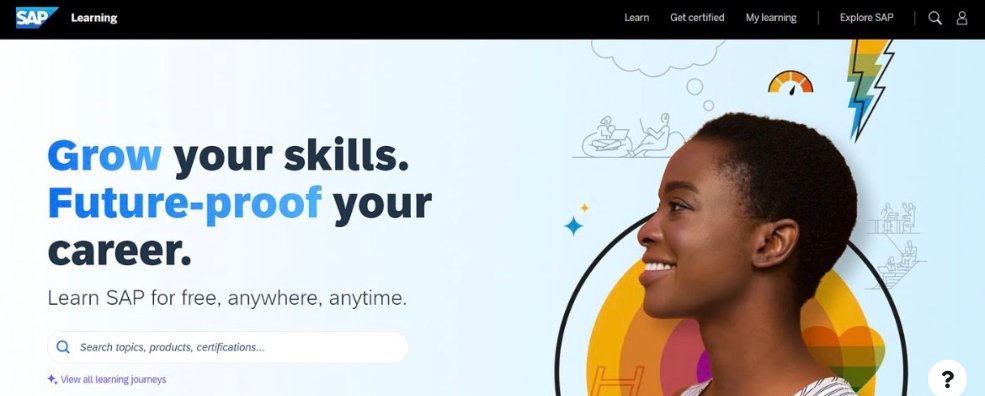
SAP is a business-to-business company, so I expected to read about enterprise software, cloud systems and data. What surprised me was how much of its purpose translates into people-focused activity. For example, SAP’s CSR work includes future-skills training, youth employability programmes, pro bono consulting and support for impact businesses. In 2024, SAP reported over 121,000 volunteer hours, more than 534,000 young people trained, and 1,063 employees working as pro bono consultants (SAP, 2024a). The story that interested me most was SAP’s work around youth skills and employment. Through programmes such as SAP Educate to Employ and partnerships linked to Yoma, SAP supports young people in gaining digital and employability skills, particularly in countries including Kenya, Nigeria, South Africa, India and the Philippines (SAP, 2024b). To me, this makes the brand purpose feel less like corporate wallpaper and more like a practical bridge between technology and opportunity.
From a marketing perspective, this is a good example of purpose-led branding. Aaker (1996) argues that strong brands build meaning beyond functional benefits. SAP’s functional benefit is helping organisations run more efficiently. Its emotional and societal benefit is the idea that better-run organisations can create wider positive impact.
I was surprised, but in a good way. Normally, enterprise software sounds rather grey and invisible, like the plumbing behind the walls. But SAP shows that infrastructure can still have human consequences. If software helps businesses manage resources, employment, supply chains and sustainability more intelligently, then it can affect real lives.
My main observation is that SAP’s challenge is not having a strong purpose. It is making that purpose feel visible and believable to people outside the B2B world. Because when “helping the world run better” is connected to education, employability and sustainability, it becomes much easier to understand why business software matters.
Images from the original
References.
- Aaker, D. A. (1996). Building strong brands. Free Press.
- SAP. (n.d.). Company information: About SAP SE. https://www.sap.com/about/company.html
- SAP. (2024a). Corporate social responsibility. https://www.sap.com/about/csr.html
- SAP. (2024b). Social investments. https://www.sap.com/docs/download/investors/2024/sap-2024-social-investments.pdf