
Original submission details
Original title: Biertje?
View original KEATS context ↗ (university access required).
2.8 Group exercise_ cultural dimensions
For the brand you chose for the assessment, which cultural dimensions would significantly affect its business environment?
Course task reproduced as context. The response below is Fiona’s independent academic work. KEATS source ↗ (university access required).
Explore writing on this question ↗🌍Cultural Dimensions Shaping Brand Strategy for Corona, Budweiser & Heineken
When major beer brands expand globally, culture influences what people drink and also affects where, why, and how they buy it. Hofstede’s and the GLOBE Project’s cultural dimensions offer critical insights into this dynamic (Soares, Farhangmehr & Shoham, 2007).
Power Distance → Place, Promotion, Physical Evidence
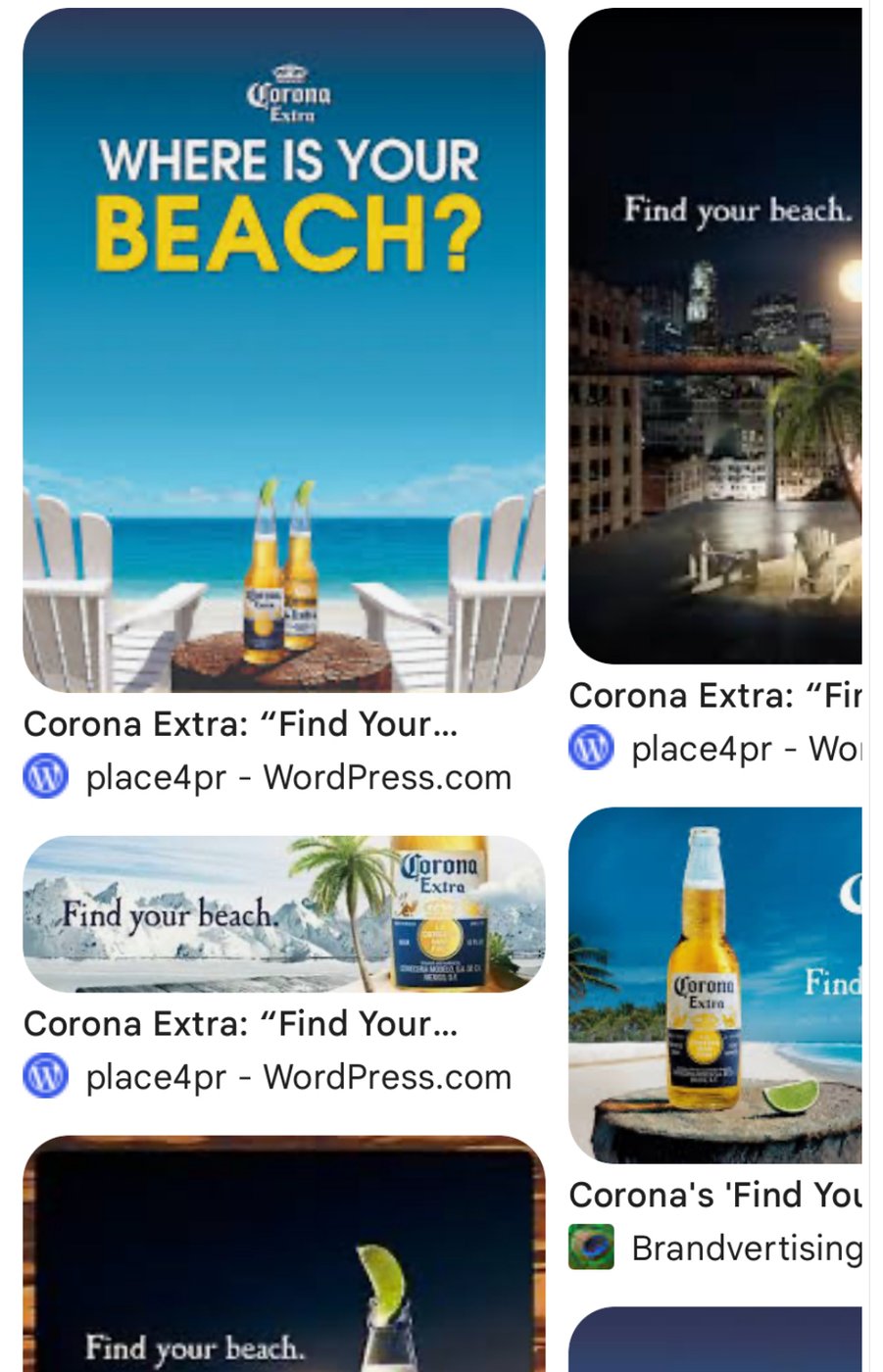
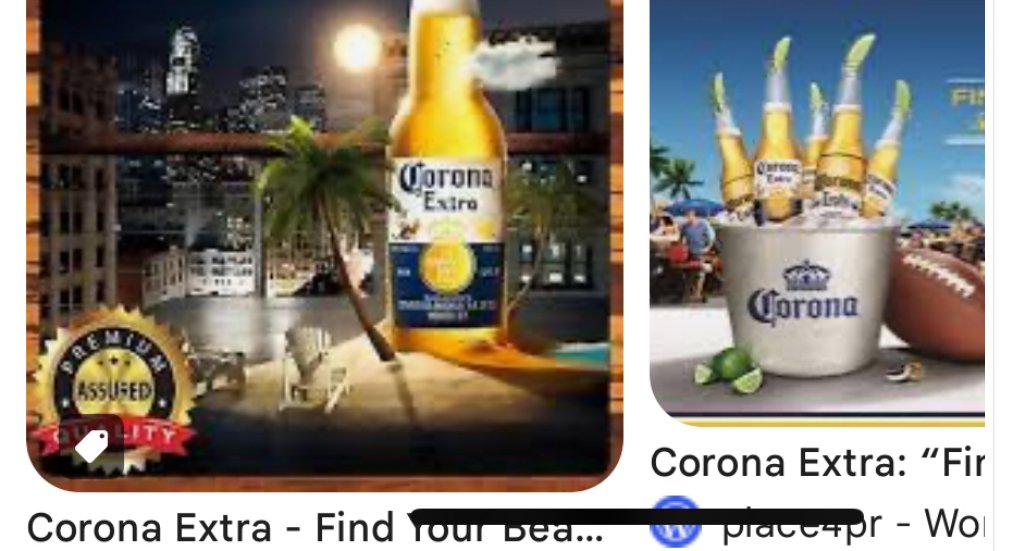
In high power distance societies (e.g., Mexico, China), hierarchical norms are stronger and brands that communicate status perform well. Corona, rooted in Mexico, often deploys aspirational visuals of exclusive escapes and tasteful pricing strategies, especially in upscale (Place) and premium bar settings (Promotion). Heineken, developed in low power distance cultures like the Netherlands, uses inclusive branding aimed at broader accessibility, with consistent in-store presence and global messaging (Promotion, Physical Evidence) that invites rather than elevates (Uță, 2021).
https://www.youtube.com/watch?v=jfbn8a1y9Oc
Uncertainty Avoidance → Product, Process, People
In markets with high uncertainty avoidance (Japan, France), consumers prefer predictable brands with consistent quality. Budweiser and Heineken address this by maintaining steady Product formats and well-known brewing credentials (Process), and highly trained brand ambassadors or sales teams (People). In more flexible markets (e.g., U.S., UK), Budweiser embraces novelty—flashy campaigns, limited editions, and experiential drops—with looser People interactions and agile processes that encourage trial (Andreea Firican, 2022). Individualism vs Collectivism → Product, Promotion, Place
Individualistic cultures (USA, UK) respond to personal messaging: Corona’s “Find Your Beach” campaign thrives in solo or small-group settings using single-serve bottles (Product) and convenience retail (Place). But in collectivist societies (e.g., China, Brazil), brands shift to emphasize social connection—large-format packs, communal bars, festive campaigns— adjusting Product size and Promotion to fit group settings (Carvalho de Sá, 2020).
Assertiveness & Performance Orientation → People, Promotion, Process
Budweiser performs strongly in high-assertiveness and performance cultures (America) with bold campaigns, vibrant imagery, and celebrity endorsements (Promotion/People). Meanwhile, Heineken in more modest, low-assertiveness nations leans into refined elegance, measured tone, and sophisticated experience design, emphasizing process control and subtlety over hype (Brand Minds, 2021). But really Heineken behaves the same way as Budweiser in its respective home country of the Netherlands.
https://youtu.be/66-YLQ_2qds?feature=shared
Images from the original
References.
- • Carvalho de Sá, M. M. (2020) The acculturation effects on immigrants’ engagement with a brand: An exploratory study… National College of Ireland.
- • Soares, A. M., Farhangmehr, M. & Shoham, A. (2007) ‘Hofstede’s dimensions of culture in international marketing studies’, Journal of Business Research, 60(3), pp. 277–284.
- • Uță, I.-C. (2021) ‘Hofstede’s cultural dimensions theory in advertising: KFC, BMW and Heineken’. Brand Minds Blog.
- • Andreea Firican, D. (2022) ‘The Influence of Hofstede’s Cultural Dimensions on Attitude Towards Change…’, ResearchGate literature review.