
Original submission details
Original title: 🍇🍾🌿🇬🇧📍🏡✨📈🧠 Brand Differentiation Example: Chapel Down Winery, Tenterden
View original KEATS context ↗ (university access required).
1.7 Differentiation example
Do some research on your local environment to find a brand that has been successfully developed to stand out against its competitors. This differentiation may have made it one of the leaders in its category – but it could be a brand with smaller brand sales but big brand awareness due to some distinctive characteristic.
Find a picture or take a photograph and upload it to the discussion forum with:
The name of the brand and a product description (brief – maximum 300 words). How has it created its distinctiveness? What is the market/category and geographical location – is this a local brand? Does it have a cultural relevance?
Choose from one of the following categories:
a household cleaning product a snack food personal care a local service.
Course task reproduced as context. The response below is Fiona’s independent academic work. KEATS source ↗ (university access required).
Explore writing on this question ↗Category: Local service Brand: Chapel Down Location: Tenterden, Kent
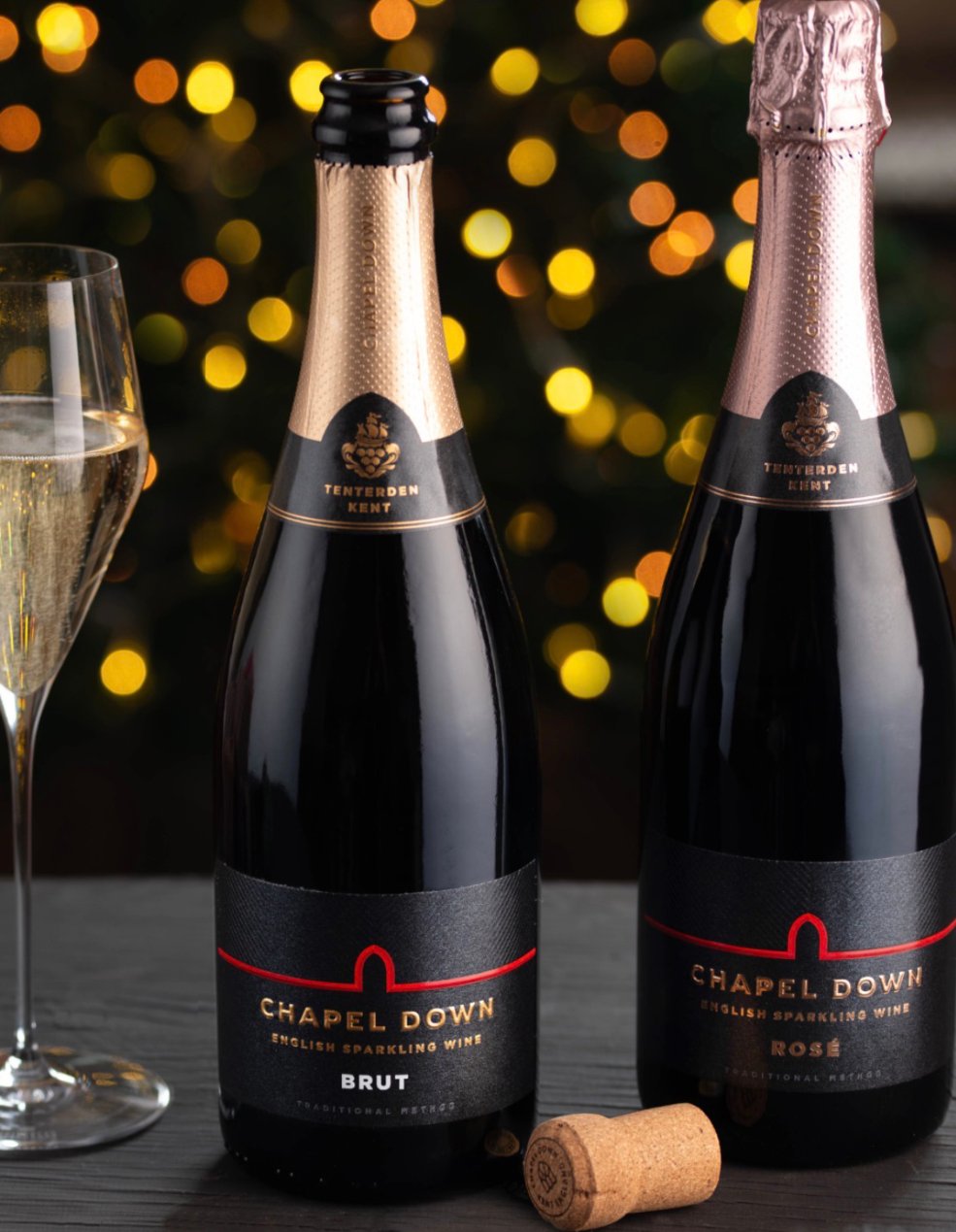
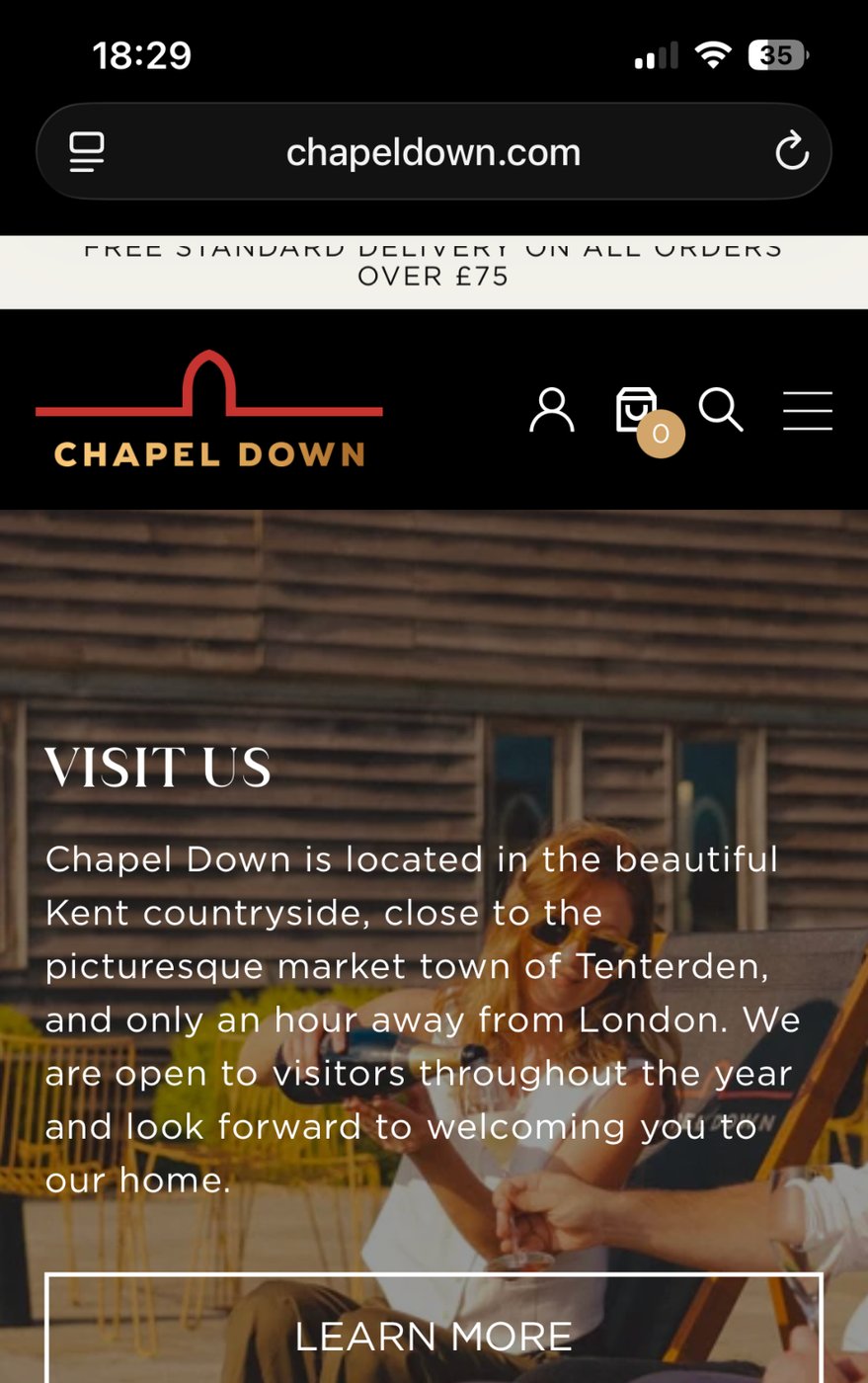
Chapel Down is a Kent-based winery and visitor destination offering vineyard tours, tastings, wine experiences and English sparkling and still wines. It describes itself as England’s leading wine producer, based in the “Garden of England” in Kent, with an award-winning range of wines and a visitor estate open to the public (Chapel Down, n.d.). Its distinctiveness comes from turning wine into a place-based brand experience. Chapel Down does just sell bottles; more importantly it sells the idea of modern English wine culture rooted in Kent countryside. This gives it strong differentiation in a category historically dominated by Champagne and European wine brands. Through branding theory, this works as positioning: Chapel Down occupies a clear space in the consumer’s mind as premium, English, local and experience-led (Ries & Trout, 2001).
From a marketing perspective, Chapel Down also uses brand equity effectively. Its reputation reduces perceived risk because consumers are more likely to trust a recognised, award-winning local producer (Aaker, 1991). The brand’s packaging, vineyard setting and premium storytelling create distinctive assets that make it easier to recognize and remember. Culturally, Chapel Down is especially relevant because it represents a shift in British consumer identity. English wine used to sound slightly apologetic, a bit “village raffle with grapes.” Chapel Down has helped reposition it as confident, premium and exportable. Its 2024 results report continued growth in brand awareness, affinity and penetration, higher than any other English wine brand (Chapel Down Group PLC, 2025).
For me, Chapel Down stands out because it has not tried to copy Champagne. It has built something more interesting: a proudly Kentish brand with national ambition.
Images from the original



References.
- Aaker, D. A. (1991). Managing brand equity. Free Press.
- Chapel Down. (n.d.). About us.
- Chapel Down Group PLC. (2025). Annual report 2024.
- Ries, A., & Trout, J. (2001). Positioning: The battle for your mind. McGraw-Hill.