
Original submission details
Original title: My answers
View original KEATS context ↗ (university access required).
6.12 Squatty potty_ share your thoughts
1. What are some of the criteria/metrics you may use to decide on the overall efficacy of the campaign? Try and work out at least one of these criteria using the sales data from the spreadsheet. What other metrics (perhaps less numeric ones) could you use to measure efficacy/success? 2. The firm has managed to link sales to video views reasonably well. Where could it improve its effort? What data will help do this in the future? 3. Looking at the Facebook targeting information: Is Squatty Potty managing to target the groups they would like to target? Are there groups being under-represented or not targeted?
Course task reproduced as context. The response below is Fiona’s independent academic work. KEATS source ↗ (university access required).
Explore writing on this question ↗1. Squatty potties Criteria/metrics to decide on the overall efficacy of the campaign:
Return on Investment (ROI): The campaign cost $250,000 to produce, so comparing the sales increase to the cost of the campaign is a primary measure. Conversion Rate: Linking video views to purchases will give insights into how effective the video was at driving sales. Customer Acquisition Cost (CAC): How much was spent on the campaign per new customer acquired. Engagement Metrics: Video views, shares, comments, likes, and sentiment on social media platforms like Facebook and YouTube. Brand Awareness: Measured by increases in brand mentions and searches following the campaign's release.
An Example of a Calculation (Sales and Conversion Rate):
According to the case data, the video resulted in substantial website visits and sales:
Sales: Squatty Potty sold $1 million worth of product in 48 hours after the video launched, with sales continuing thereafter. Website Visits: The video initially drew 158,000 visitors to the website.
If we use the 158,000 visitors and $1 million sales data, and if each purchase was around $30 (cost per stool), then:
Conversion rate = Sales from website visitors / Total visitors = 33,333 / 158,000 × 100 ≈ 21%
This shows a high conversion rate, demonstrating the efficacy of the campaign in generating immediate sales from video views.
2. Less numeric metrics to measure efficacy:
Other qualitative metrics include:
Brand Sentiment: Social media comments and discussions can gauge how people perceived the campaign. Squatty Potty’s humorous and irreverent tone could have polarized some audiences, making this metric critical. Media Coverage: The amount of free press and media coverage generated by the campaign. Customer Testimonials & Reviews: Positive reviews could reflect how well the campaign’s message was received and its impact on customer satisfaction. Long-term Brand Loyalty: Survey or customer retention data could indicate how many first-time buyers turned into repeat customers, showing if the campaign had a lasting impact.
3. Where could Squatty Potty improve its efforts (linking sales to video views)?
Squatty Potty did well to link video views to sales through tracking pixels. However, to improve: Attribution Models: They could enhance their understanding of the customer journey by using multi-touch attribution. This would help identify if customers watched the video and purchased later via a different platform (e.g., in-store or Amazon). Post-Purchase Surveys: Squatty Potty could include short surveys asking how customers heard about the product, further validating video impact. Although I personally am never fan of doing these and skip them.
4. Facebook Targeting:
I think it should be noted that Facebook is mainly used by an older generation and moms. It is almost untouched by any other demographic. In the states, moms go on to buy and sell their things on it and keep a breast of school forums and notifications .Squatty Potty primarily targeted mothers and health-conscious individuals—which aligned with their target demographic of 70-80% of household purchases being made by women, especially mothers. However, they might be under-targeting other groups They do not go on Facebook:
Older Adults: As the video appeals to younger audiences with its humor, Squatty Potty could consider targeting older demographics more effectively, as constipation is a concern for older individuals as well. Geographical Targeting: The case doesn’t mention much about international expansion; there might be untapped opportunities abroad.
In summary, Squatty Potty’s campaign was great and has a white opportunity to expand.
Images from the original
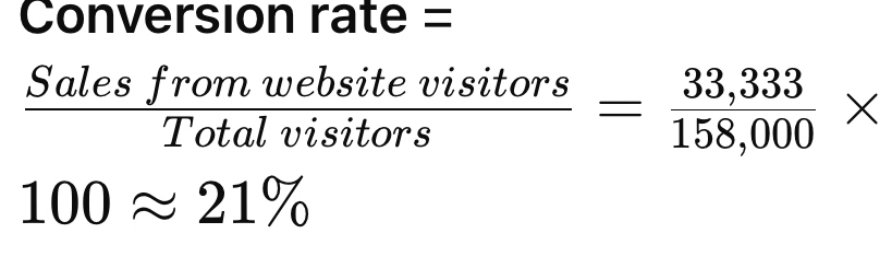
The conversion-rate fraction is transcribed in the order shown in the original image. PDF text extraction reversed the numerator and denominator; the authored calculation is retained.
References.
- No references were listed in the original contribution.