
Original submission details
Original title: The double entendre on grass movements! 🌿🚶♀️🌼👨👩👧👦👧👦🌱🪴🌻🌸🌺🌿🍓🫐🍅🥕🌿👃🤲👀😋🌼🦋🐝🐞🐦🦉🌳 🏡☀️🎨🖌️🖼️🌺🏆🌼📚👩🏫👨🌾🧑🌾🌱♻️🌍🏫🚌👩🎓👨🎓❤️🤝👵👴😊🎃🍂👻🕯️🚶♀️🚶♂️🍁🍎🎄✨🎶🎉💚🌿🙋♀️🙋♂️🤲💝🌱💳👥 ⭐📸💚🏡🌍 no
View original KEATS context ↗ (university access required).
4.7 Media planning
Creating brand experiences is a major topic in modern marketing. These go beyond just the 'service' experience one might expect to be linked to using the product and often aim to embed the brand in the social and cultural lives of individuals and groups. If you have been involved in any such events, share your thoughts in the discussion.
Course task reproduced as context. The response below is Fiona’s independent academic work. KEATS source ↗ (university access required).
Explore writing on this question ↗https://greenwichbotanicalcenter.org/
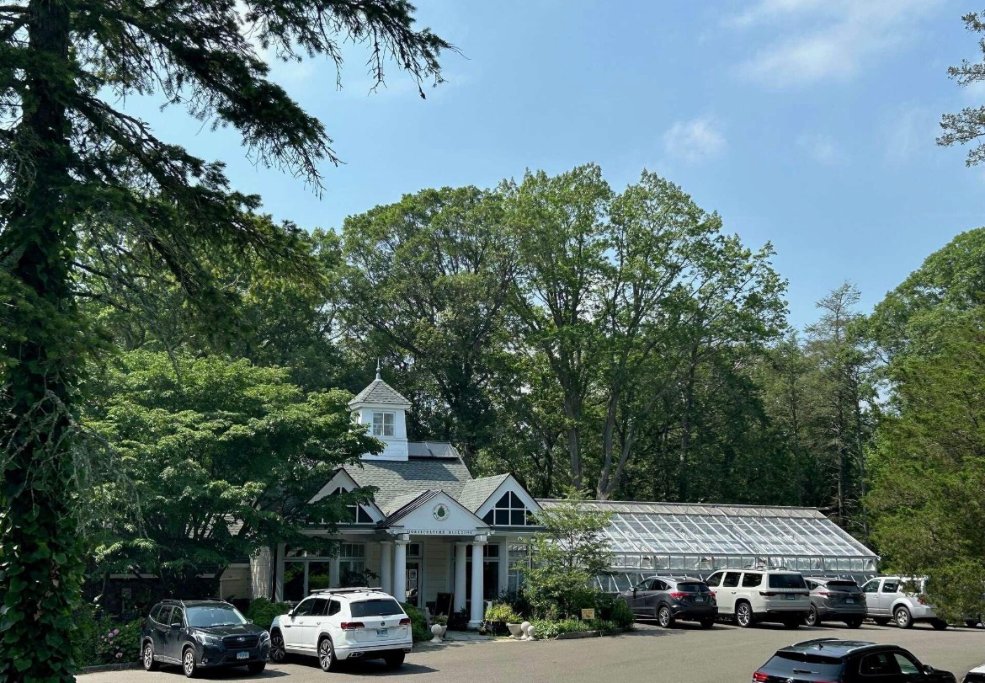
My heart will always be with a project I developed for the Greenwich Botanical Center in Cos Cob Connecticut. Looking back now through the lens of this module, I realise I wasn’t simply organising events. I was trying to create an experience that people wanted to become part of.
The vision was to transform the Botanical Center from somewhere people visited once into somewhere they felt connected to. Rather than simply walking around looking at plants, visitors could immerse themselves in the environment by planting, touching, smelling and even eating their way through parts of the garden. They could take plants home, attend gardening and art classes, enter seasonal dahlia competitions, become members, sponsor areas of the garden or support educational programmes. We also introduced Halloween walks, worked with local schools, welcomed YMCA groups, created opportunities for teenagers to complete community service hours and organised visits with local retirement homes. Every activity was designed to create another reason for someone to engage with the Botanical Center beyond simply being a visitor. At the time, I didn’t appreciate that what I was really designing was an ecosystem of brand experiences. Looking back, it closely reflects Schmitt’s (1999) theory of experiential marketing, which argues that consumers develop stronger relationships with brands when they engage through sensory, emotional, intellectual and behavioural experiences rather than simply consuming a product or service. Instead of asking, “How do we attract more visitors?”, the question became, “How do we become part of people’s lives?”
It also reminds me of Pine and Gilmore’s (1999) concept of the Experience Economy. They argue that organisations create greater value when they stage memorable experiences rather than simply delivering goods or services. Looking back, many of the initiatives were designed around this principle, even before I knew the theory. The garden itself became the backdrop for learning, creativity, volunteering, family traditions and community connection.
What I find particularly interesting is that many successful organisations have adopted a similar approach. The Royal Botanic Gardens, Kew has evolved far beyond displaying plants. Seasonal events such as Christmas at Kew, educational workshops, family activities and conservation programmes encourage visitors to return throughout the year and build an ongoing relationship with the organisation. Likewise, LEGO no longer simply sells construction toys. Through its stores, fan communities, workshops and LEGOLAND Windsor Resort (worst experience of my life don’t go!), it creates immersive experiences that strengthen emotional attachment to the brand across generations.
This experience also changed the way I think about marketing. The most valuable outcome wasn’t only an increase in visitor numbers but creating multiple touchpoints where people could move from first-time visitors to volunteers, members, donors or advocates. Plus we had something for everyone. That reflects relationship marketing, where long-term engagement often creates more value than a single transaction (Grönroos, 1994).
Botanical Center showed me meaningful brand experiences are rarely about one event. They are about creating an environment where people feel they belong. When people create memories, contribute to a cause and become part of a community, the brand becomes much more difficult to replace than if it simply offered a product or service. It’s literally and figuratively a grass movement!
Images from the original
References.
- Grönroos, C. (1994). From marketing mix to relationship marketing: Towards a paradigm shift in marketing. Management Decision, 32(2), 4-20.
- Pine, B. J., & Gilmore, J. H. (1999). The Experience Economy. Harvard Business School Press.
- Schmitt, B. H. (1999). Experiential Marketing. Journal of Marketing Management, 15(1-3), 53-67.
- Muniz, A. M., & O’Guinn, T. C. (2001). Brand community. Journal of Consumer Research, 27(4), 412-432.
Archive notes
Some embedded material is omitted where it contains personal details, other people’s writing, or no article content. Available article images are shown with source captions.