
Original submission details
Original title: What Do Tupac, The Wire, and a Baltimore Crab Bucket Have to Do with Under Armour? 🏙️🦀🎤📺📱⭐➡️🤝➡️👟 💰➡️🏆
View original KEATS context ↗ (university access required).
2.6 Case_ Under Armour's Willful Digital Moves
Should Under Armour keep paying famous athletes to be part of its advertisement campaigns or should it use more everyday people?
Should the next campaign be run on multichannel platforms or should Under Armour solely focus on one channel, such as television or online advertisement?
Course task reproduced as context. The response below is Fiona’s independent academic work. KEATS source ↗ (university access required).
Explore writing on this question ↗What Do Tupac, The Wire, and a Baltimore Crab Bucket Have to Do with Under Armour? 🏙️🦀🎤📺📱⭐➡️🤝➡️👟💰➡️ 🏆
Reading this case felt like hitting rewind on a cassette tape and suddenly I’m back sitting in that office in Baltimore again. I remember being so excited that this was one of the first companies that actually let me run with my ideas. And you guys know me… my ideas can get wild. But that was the energy at Under Armour. They were willing to try different things.
That willingness to experiment was its marketing and into the supply chain too. My job was helping move products from the manufacturers all the way to the consumer, and what stood out was how open the company was to trying new approaches. Because Under Armour was still a young company, the mentality was basically “why not try it?” If a new idea might move product faster or get people talking about the brand, they were willing to give it a shot.
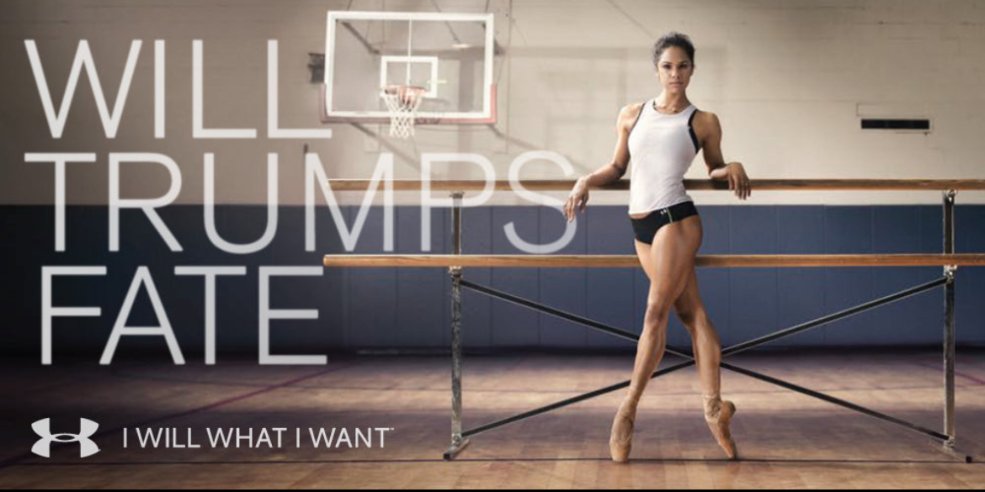
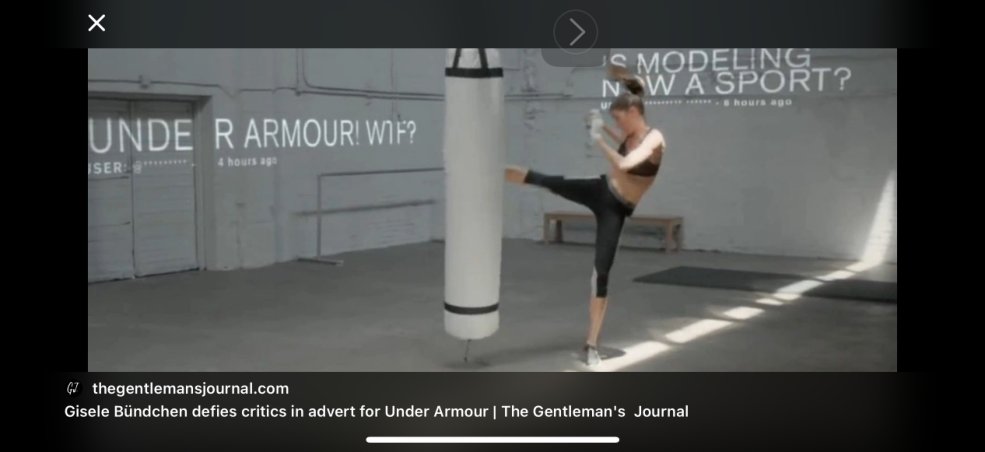
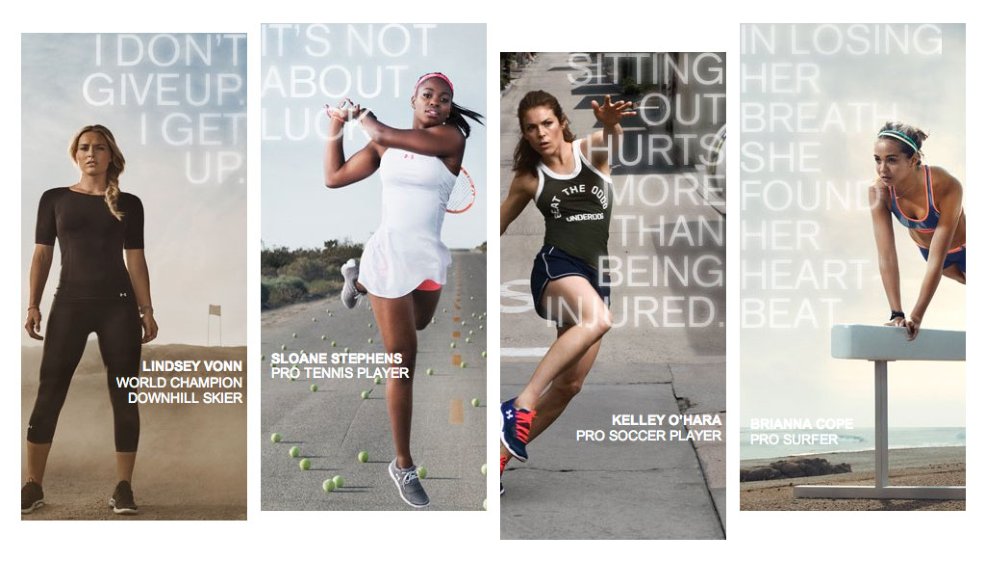
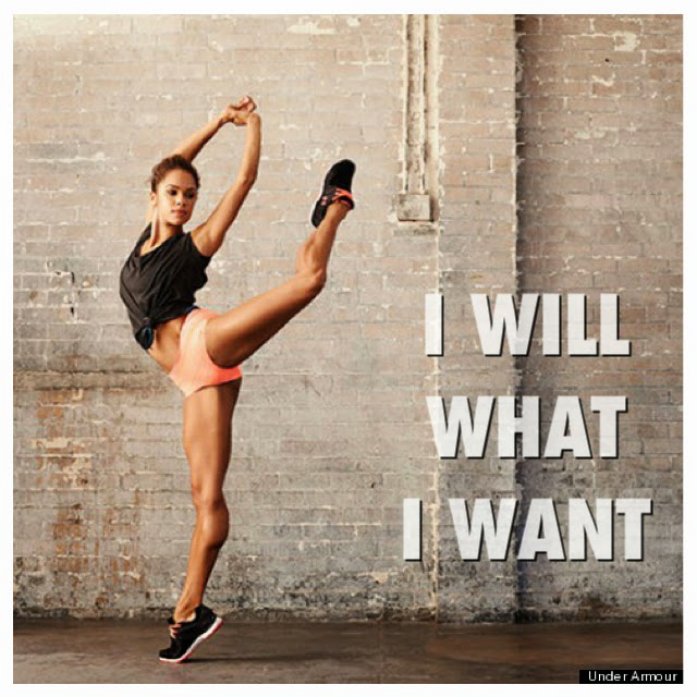
I used to joke that Kevin Plank was less of a plank and more of a springboard. Instead of slowing ideas down, he launched them forward. That mindset of building something from scratch and not waiting for someone else’s playbook feels very Baltimore. Back in 2013 Under Armour was already doing well in men’s athletic wear, competing with giants like Nike and Adidas. But the women’s market was still wide open. According to Murray and Saghian (2016), the company had about $2.3 billion in sales, yet only $500 million came from women’s apparel. That gap was like playing pickup basketball in Baltimore and realizing nobody is guarding the lane. If you see that opening, you take the shot. Under Armour did exactly that with the $15 million “I Will What I Want” campaign, a multichannel campaign featuring athletes like Gisele Bündchen and Misty Copeland. It ran across television, online media, and social platforms and ultimately helped push Under Armour from third place to second place in the U.S. sportswear market, surpassing Adidas (Murray & Saghian, 2016).
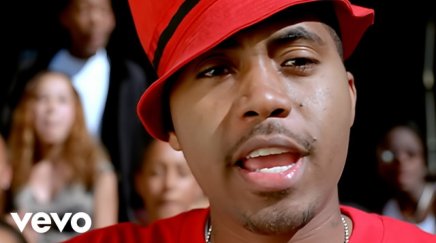
Who they picked was also really important, everybody knows Misty’s story, how she broke the rules of ballet being the first African-American is exactly in line with their message, in the same way the whole campaign reminds me of the Nas lyric:
🎧 Nas – “I Can” “I know I can be what I wanna be, if I work hard at it, I’ll be where I wanna be.”
And that’s something that everybody can get behind…that inspires those that made it in the big league to those that aspire to.
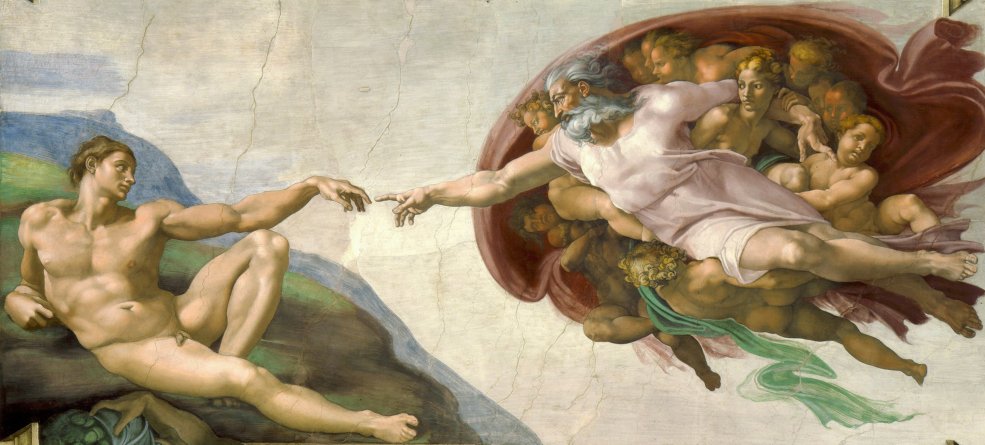
That line basically captures the spirit of the campaign. It’s about determination and proving people wrong. Which honestly sounds pretty Baltimore too. Now the first question is whether Under Armour should continue paying famous athletes or shift toward everyday people in its campaigns. The smartest answer is probably a combination of both. This connection connects to the godlike with the human. Celebrity athletes bring attention, credibility, and aspirational appeal. Marketing theory explains this through the Source Credibility Model, where consumers respond more strongly when a message comes from someone they view as an expert or role model (Kotler & Keller, 2016). When someone like Misty Copeland appears in a campaign, it signals elite performance.
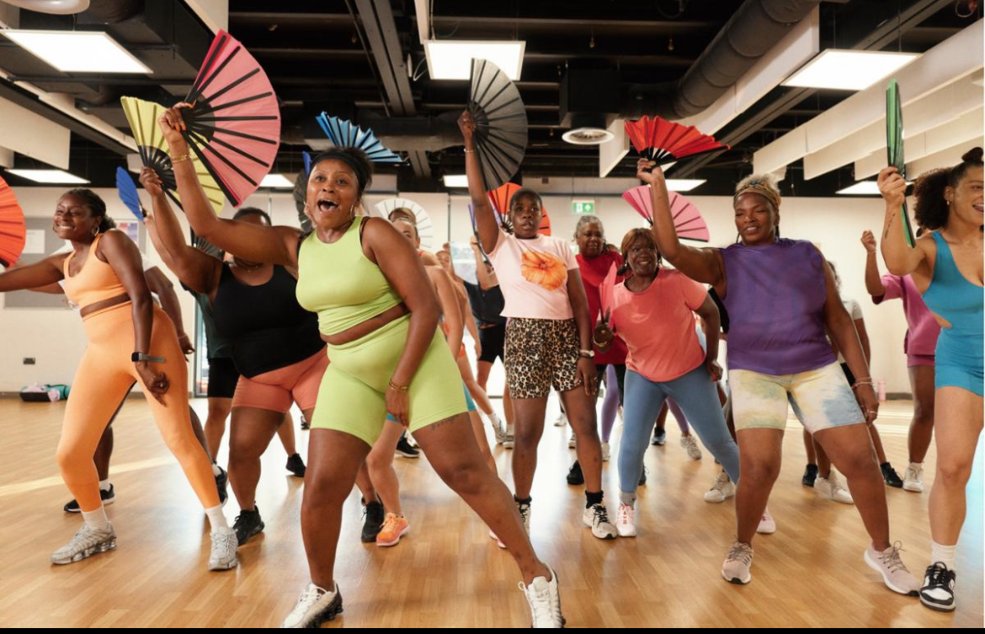
At the same time, everyday athletes provide relatability and authenticity. Research on influencer marketing shows that audiences often trust people who feel similar to them more than distant celebrities (Freberg et al., 2011). If you want a Baltimore comparison, think about Ravens football. Sure, the quarterback might get the spotlight, but everybody knows the whole team matters. You can visualize the strategy like this:
Celebrity athletes
⭐ Inspiration
⭐ Star power
⭐ Global visibility
Everyday athletes
🤝 Relatable stories
🤝 Community engagement
🤝 Authentic connection
Together they create aspiration and authenticity, which is a powerful combination. The second question is whether Under Armour should focus on one advertising channel or continue using multiple channels. Based on the success of the campaign, sticking with multichannel marketing makes the most sense.
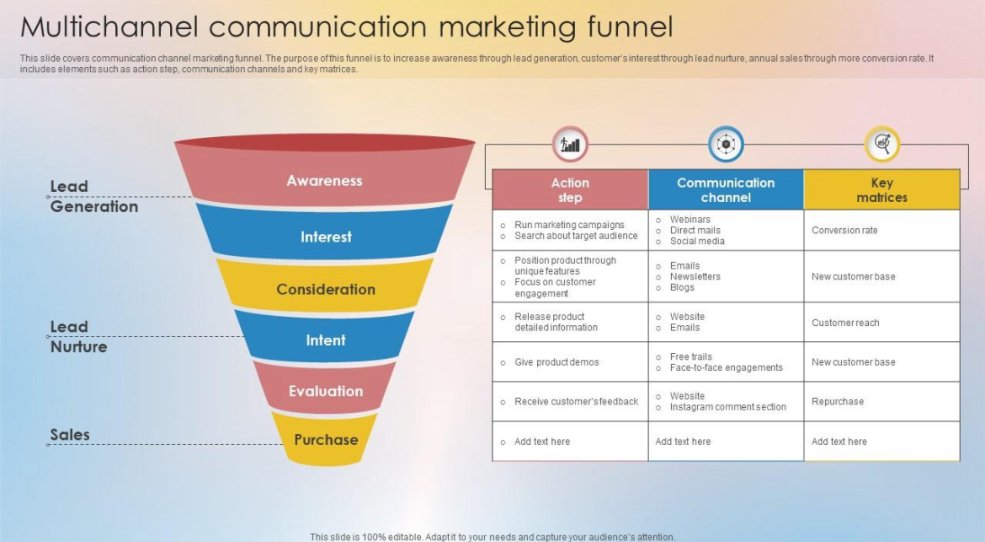
A good Baltimore comparison here is the Port of Baltimore. Cargo moves through Ships, trucks, rail, and warehouses all work together. Marketing works the same way. Messages move through multiple channels and reinforce each other. After all, you do need at least five touch points, right?
Marketing funnel visualization:
Celebrity athletes
⭐ grab attention
Social media engagement
📱 sparks conversation
Community stories
🤝 build trust
Product purchase
👟 drives sales
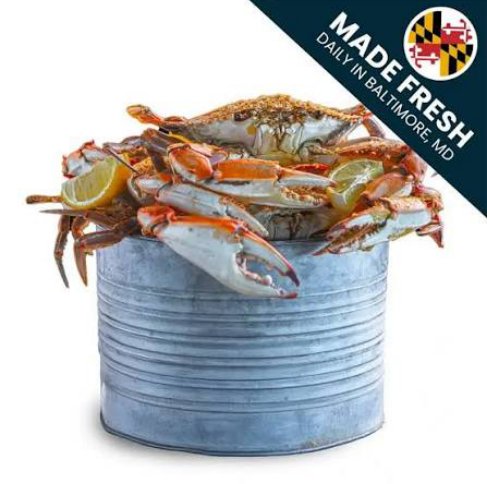
This is Integrated Marketing Communications, which brands should coordinate messages across multiple platforms because consumers move between them constantly (Kotler & Keller, 2016). Anyone who has been to a Baltimore crab feast knows that when one crab tries to climb out of the bucket, the others pull it back down to get over it. In the sportswear industry, brands like Nike, Adidas, and Under Armour are all in that same bucket competing for market share.
Under Armour managed to climb out a bit by doing something different. Instead of trying to outspend Nike in traditional advertising, it built momentum through storytelling, social media engagement, and community-driven marketing.
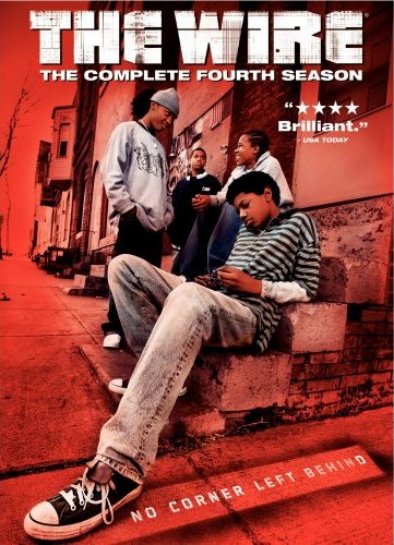
In the Baltimore tradition kind of how influence spreads in The Wire. Information moves through networks, layer by layer, until everybody is talking about it.
Awareness spreads
⬇
Conversation spreads
⬇
Community engagement builds
⬇ Sales follow
And that’s basically how Under Armour sold stuff… kind of like on The Wire.
Not the illegal parts obviously. Just the network effect.
Sometimes I also think of Under Armour as the Tupac Shakur of activewear. Both have that Baltimore attitude in their DNA. They saw how things were being done, respected the hustle, but decided to do it differently. Tupac didn’t follow the industry formula and neither did Under Armour. Instead of copying Nike and Adidas play by play, they carved out their own lane and made people pay attention. That rebellious, prove-it attitude shows up clearly in the “I Will What I Want” campaign.
The best strategy would be continuing with multichannel campaigns that combine celebrity athletes with everyday athletes. The celebrities spark attention, the everyday athletes build connection, and the multiple channels keep the message moving.
That approach feels very Baltimore. Some people get the spotlight, but everyone respects the people putting in the work behind the scenes.
Images from the original


References.
- Freberg, K., Graham, K., McGaughey, K., & Freberg, L. (2011). Who are the social media influencers? Public Relations Review, 37(1), 90–92.
- Kotler, P., & Keller, K. L. (2016). Marketing management (15th ed.). Pearson.
- Murray, M., & Saghian, M. (2016). Under Armour’s Willful Digital Moves. Harvard Business Publishing.