
Original submission details
Original title: 🧩✈️ Competition, Collaboration & Million-Dollar Engines: What Rolls-Royce Pricing Revealed About Aerospace Strategy💸🛩️
View original KEATS context ↗ (university access required).
5.9 Discussion of the price-setting activity
For the activity at hand, the price setting process for R&R in the previous step, have a look at what other students shared and discuss below. Are there similarities or differences in your answers? What challenges did you come up against in carrying out the activity?
Course task reproduced as context. The response below is Fiona’s independent academic work. KEATS source ↗ (university access required).
Explore writing on this question ↗After reviewing other students’ responses, there were several similarities in how pricing for Rolls-Royce (R&R) aircraft engines was approached, particularly regarding the importance of R&D costs, production costs, competitor positioning, and customer requirements. Similar to many classmates, I moved away from a purely cost-based pricing approach and instead leaned more towards value-based and relationship-driven pricing, particularly because aerospace operates within a highly specialised B2B environment characterised by high switching costs, technological complexity, and long-term contractual interdependence (Kotler and Keller, 2016; Hinterhuber, 2008). This also reflected many peer responses, which recognised that lifecycle value creation appears more important than the initial engine transaction price alone.
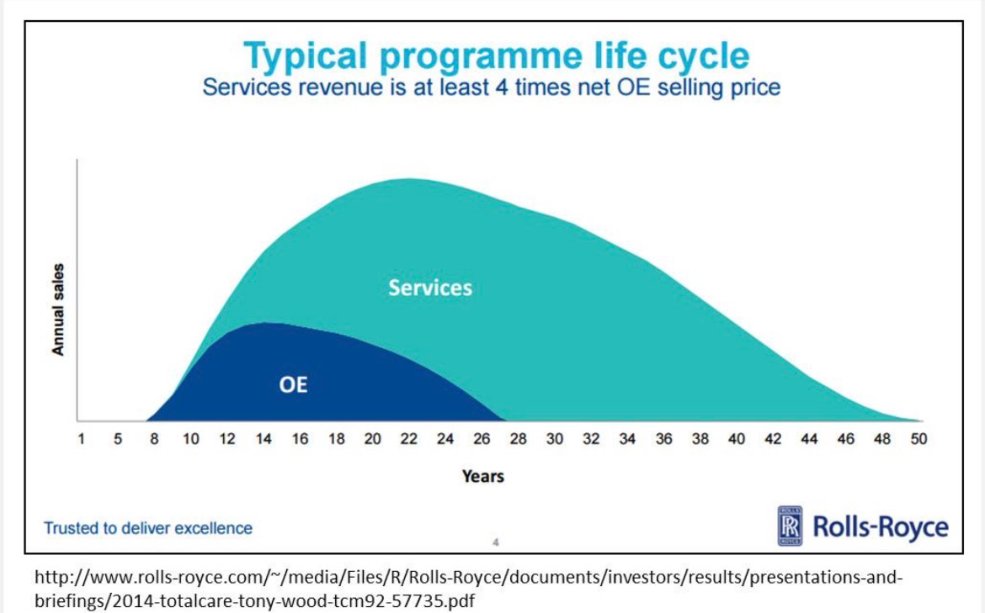
Figure 3. Lifecycle profitability through long-term servicing agreements Rolls-Royce’s TotalCare model demonstrates how revenue is generated across the engine lifecycle through maintenance and operational support, reinforcing the importance of customer lifetime value and relationship marketing.
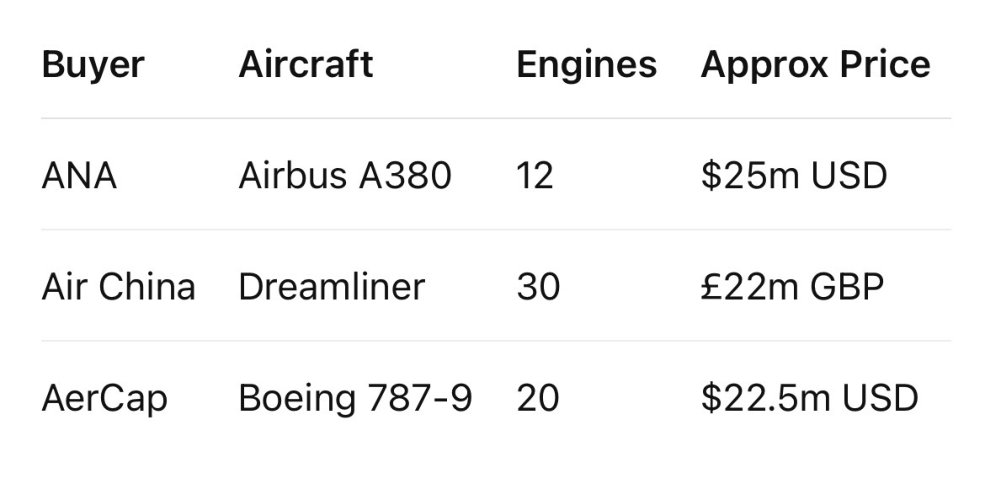
One of the clearest similarities across responses was the recognition that aerospace pricing is rarely fixed or standardised. The transaction examples involving ANA, Air China, and AerCap showed considerable price variation despite dealing with similar Rolls-Royce engine families, with prices ranging from approximately USD 22.5 million to USD 25 million per engine. This reinforced the idea that aerospace pricing is negotiated and influenced by factors such as order size, service agreements, financing structures, customer profile, and long-term relationship value. From a B2B relationship marketing perspective, this aligns with the concept of customer lifetime value (CLV), where firms prioritise long-term profitability over short-term gains (Payne and Frow, 2017). In Rolls-Royce’s case, profitability appears to derive not only from selling the engine itself but also through long-term aftermarket contracts such as TotalCare and “power-by-the-hour” servicing agreements.
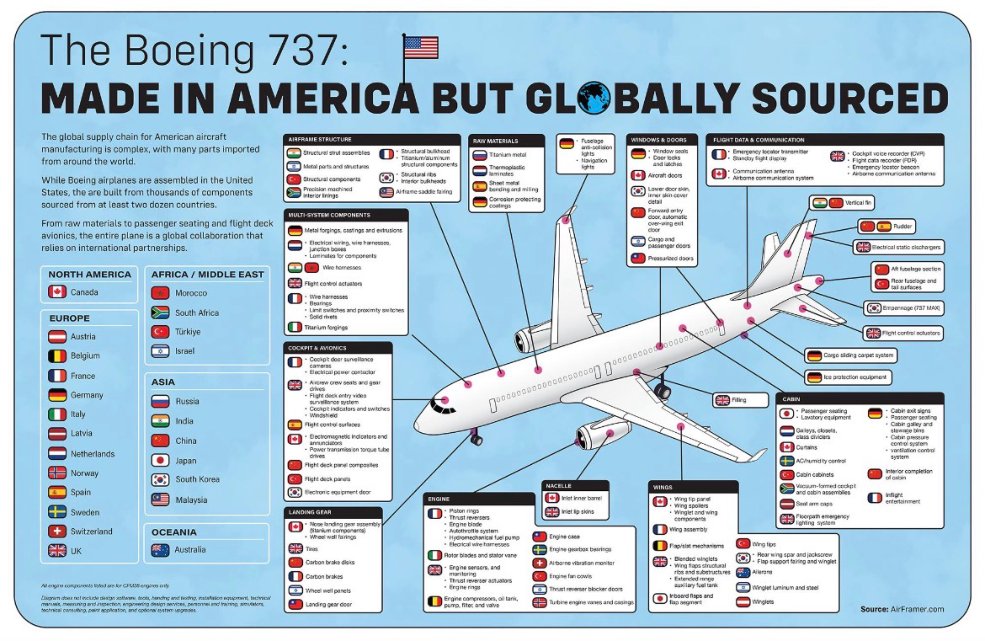
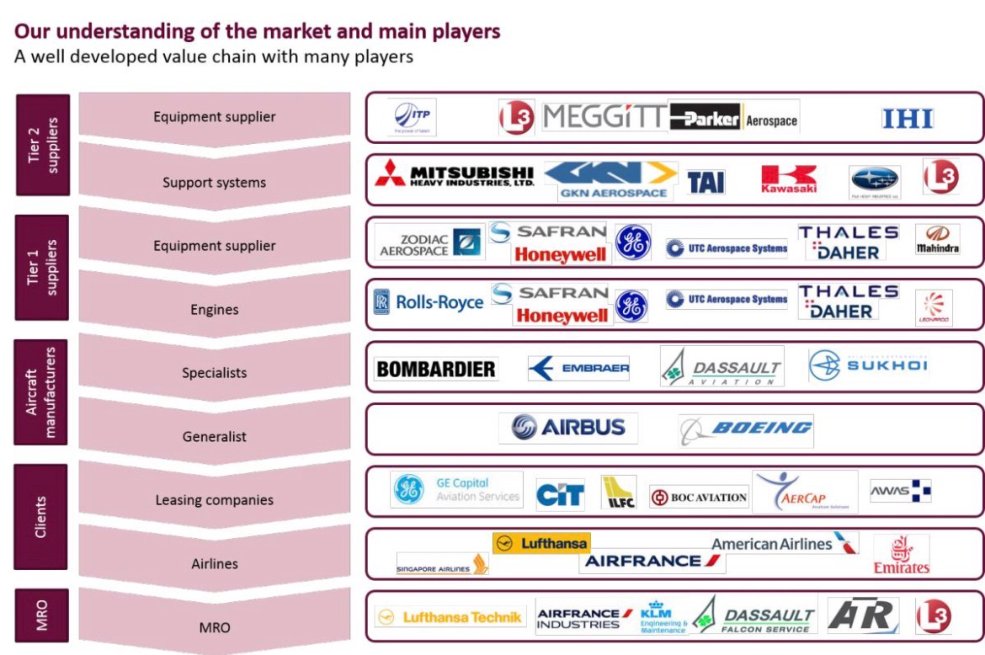
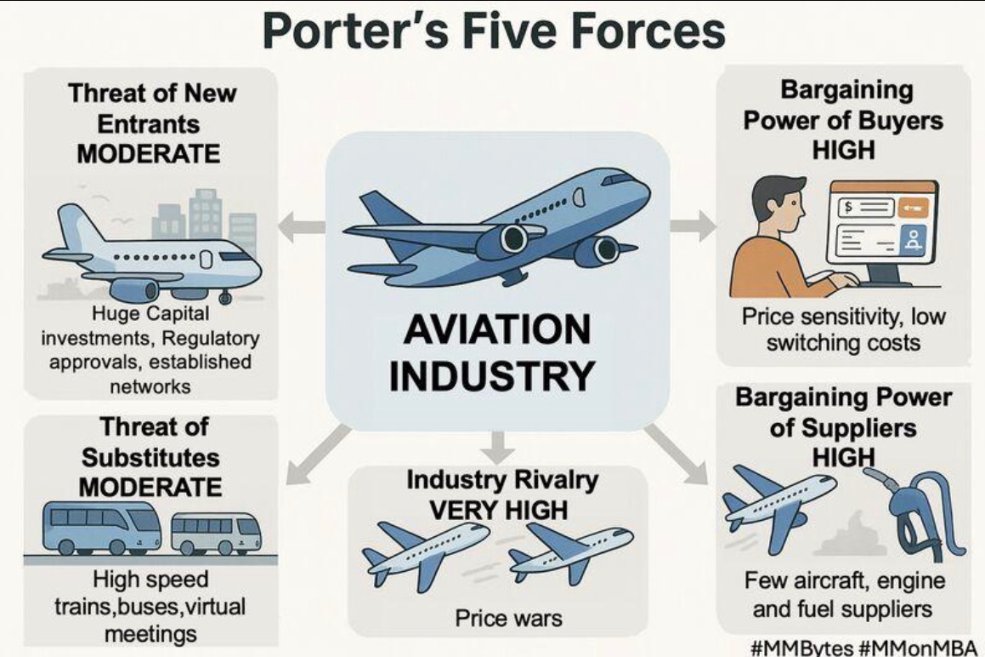
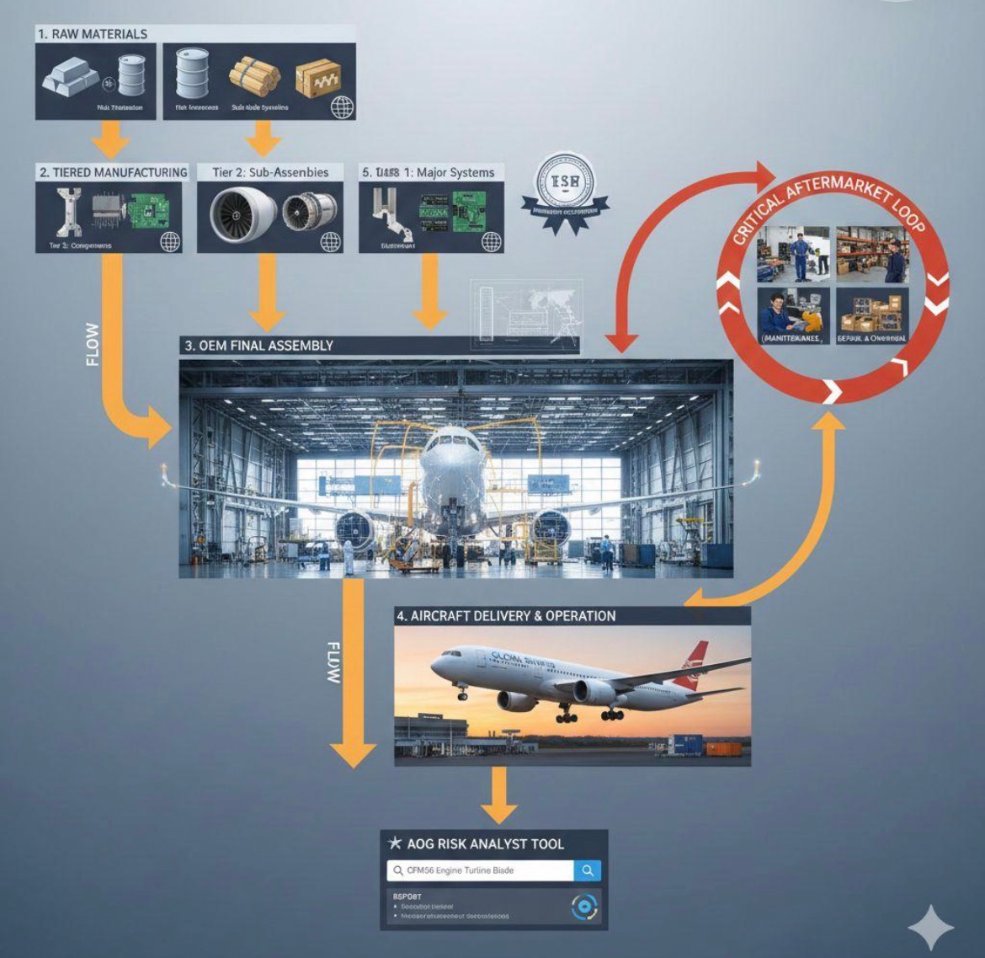
Figure 1. Interconnected aerospace value ecosystem The aerospace sector operates through highly interdependent relationships between engine manufacturers, aircraft OEMs, specialised suppliers, airlines, and lessors. This supports the argument that pricing power often derives from technological interdependence and supplier scarcity rather than direct competition alone. What particularly stood out to me during this exercise was how Porter’s Five Forces Model became highly relevant in understanding aerospace pricing (Porter, 1980). Initially, I approached Pratt & Whitney simply as a direct competitor to Rolls-Royce and GE Aerospace, which would fit the traditional competitive rivalry lens. However, through a personal conversation with someone connected to Pratt & Whitney, my understanding became more nuanced. I learned that certain firms specialise in highly technical patented components which are essential within broader aerospace systems. Although my first understanding of it felt amusingly simplified as “a tiny metal circle thing,” the strategic significance quickly became apparent. Where suppliers possess specialised patented technologies and limited manufacturing capacity, supplier power becomes extremely high, allowing firms considerable leverage over pricing.
Figure 2. Porter’s Five Forces applied to aerospace pricing Supplier power and high barriers to entry significantly influence pricing within aerospace markets due to technological complexity, intellectual property, and certification requirements (Porter, 1980). This personal insight unexpectedly reinforced Porter’s bargaining power of suppliers theory, as well as the concept of resource-based advantage (RBV). Firms possessing rare, difficult-to-imitate technological capabilities or patents gain sustainable competitive advantages because competitors cannot easily substitute or replicate them (Barney, 1991). In practical terms, this shifted my understanding of pricing away from seeing aerospace purely as a competitive battlefield and more as a complex ecosystem of interdependent relationships, where firms may simultaneously compete and collaborate within supply chains. It highlighted how pricing power may stem not only from brand reputation or cost efficiency, but also from scarcity, proprietary expertise, and technological differentiation. Figure 4. Variation in Rolls-Royce Trent engine pricing across buyers Pricing variation suggests that engine transactions are highly customised and shaped by order size, customer profile, servicing agreements, and negotiation leverage.
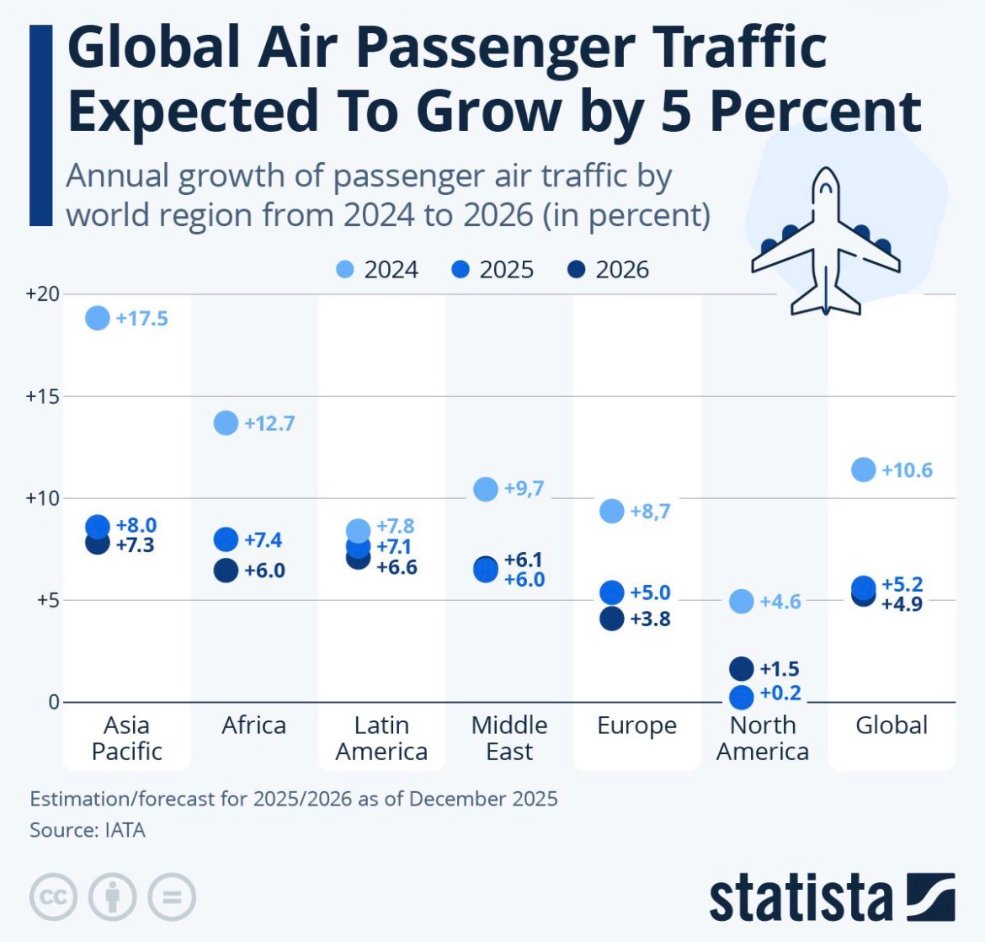
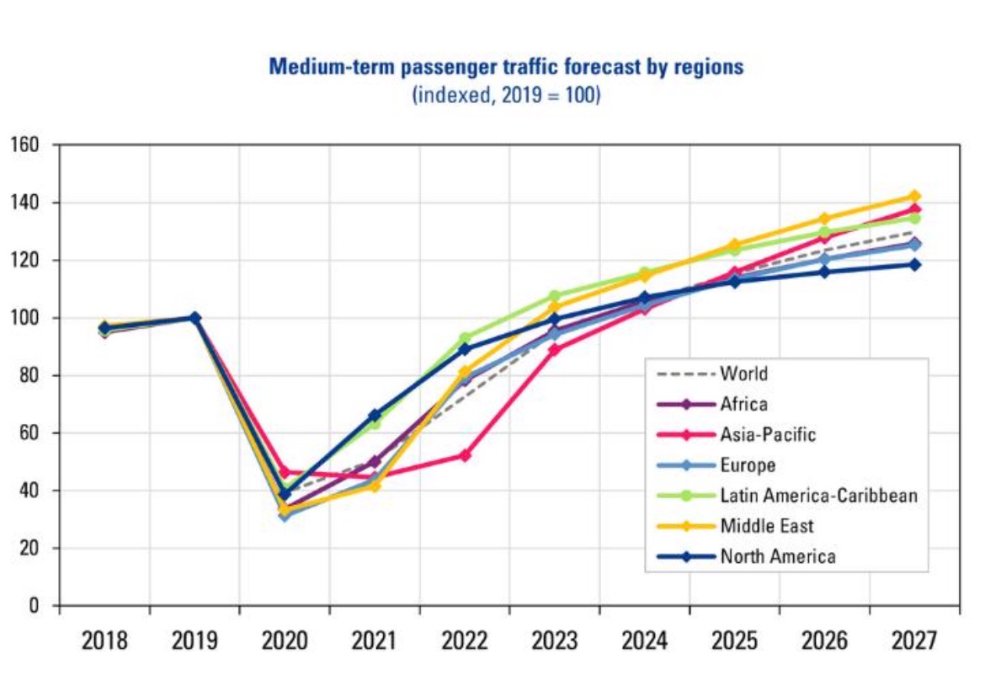
The price-setting decision process model itself also became increasingly useful when reflecting on the activity. My original approach broadly followed the four stages of setting strategic pricing objectives, estimating demand, analysing costs, and evaluating competitors. However, after reviewing classmates’ responses, it became clear that these stages overlap significantly within aerospace industries because of the negotiated nature of B2B relationships. For example, derived demand theory became especially relevant, as demand for aircraft engines depends heavily on passenger demand, macroeconomic conditions, sustainability regulations, fuel prices, and airline fleet strategies rather than independent consumer demand (Fill and McKee, 2019). Consequently, traditional demand estimation becomes much more uncertain and dynamic. Figure 5. Aviation passenger demand as a driver of derived demand Demand for aircraft engines is derived from broader aviation demand, including passenger growth, airline fleet expansion, and global travel patterns.
Another major challenge encountered during the activity was the lack of pricing transparency, which made applying traditional pricing models difficult. Unlike consumer products where prices are relatively visible, aircraft engine pricing is highly confidential and bundled with warranties, technical support, financing agreements, and long-term maintenance contracts. This complexity highlighted the limitations of purely cost-plus pricing, despite its usefulness in ensuring R&D costs are covered. Instead, value-based pricing theory appeared more suitable because airlines are not simply purchasing an engine but purchasing reliability, fuel efficiency, reduced downtime, sustainability performance, and long-term operational savings (Hinterhuber, 2008). This aligns closely with economic value to customer (EVC) thinking, whereby prices reflect the measurable value generated for customers rather than solely production inputs (Anderson, Narus and Van Rossum, 2006).
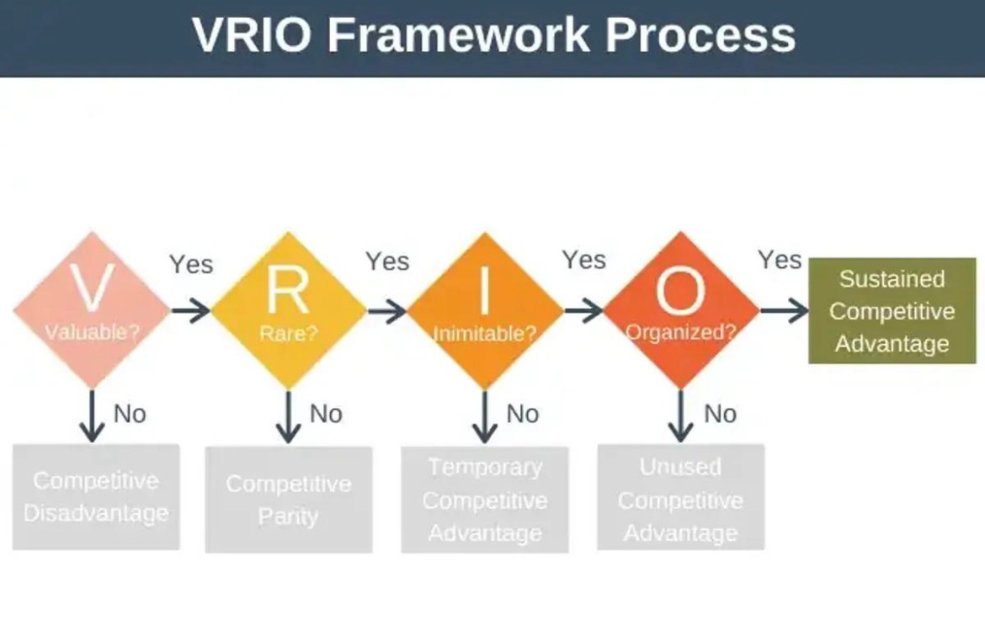
Finally, reflecting on both classmates’ responses and my own experience reinforced how relationship marketing theory applies strongly to aerospace pricing. Rolls-Royce, airlines, lessors, and manufacturers such as Airbus and Boeing appear deeply interconnected through long-term strategic partnerships, switching costs, and service dependencies. Aggressive short-term pricing may secure contracts, but if not supported through lifecycle servicing and relationship management, long-term profitability could suffer. Therefore, pricing within aerospace seems less about “winning the deal” and more about building profitable partnerships over decades. Figure 6. Resource-Based View (RBV) and pricing advantage Rare, valuable, difficult-to-imitate technologies create sustained competitive advantage and enhance supplier bargaining power (Barney, 1991).
Overall, this activity reinforced for me that B2B pricing within aerospace is not simply about covering costs or undercutting competitors. Instead, it is strategic, negotiated, relationship-oriented, and deeply shaped by competitive forces, supplier bargaining power, lifecycle profitability, and value creation. Most interestingly, my unexpected personal insight into Pratt & Whitney reminded me that industries which appear highly competitive from the outside may actually function more like interconnected ecosystems, where collaboration and specialised expertise quietly shape pricing power behind the scenes.
Images from the original
References.
- Anderson, J.C., Narus, J.A. and Van Rossum, W. (2006) ‘Customer value propositions in business markets’, Harvard Business Review, 84(3), pp. 90–99.
- Barney, J. (1991) ‘Firm resources and sustained competitive advantage’, Journal of Management, 17(1), pp. 99–120.
- Fill, C. and McKee, S. (2019) Marketing Communications: Discovery, Creation and Conversations. 8th edn. Harlow: Pearson.
- Hinterhuber, A. (2008) ‘Customer value-based pricing strategies: Why companies resist’, Journal of Business Strategy, 29(4), pp. 41–50.
- Kotler, P. and Keller, K.L. (2016) Marketing Management. 15th edn. Harlow: Pearson.
- Nagle, T.T. and Müller, G. (2018) The Strategy and Tactics of Pricing: A Guide to Growing More Profitably. 6th edn. New York: Routledge.
- Payne, A. and Frow, P. (2017) Strategic Customer Management: Integrating Relationship Marketing and CRM. Cambridge: Cambridge University Press.
- Porter, M.E. (1980) Competitive Strategy: Techniques for Analyzing Industries and Competitors. New York: Free Press.
- Rolls-Royce Holdings plc (2024) Annual Report 2024. London: Rolls-Royce Holdings plc.