
Original submission details
Original title: From Hiding My Grey Hairs to Hiding My Kid’s Rainbow Hair: Is “ghost hair” a Trend or Just Another “Tweety Tattoo” Moment? 👩🦳➡️💇♀️✨👧🎨🚫🏫💸👩💼💼🤔📱🔥🦜🪶😬
View original KEATS context ↗ (university access required).
3.6 Case_ L’Oréal Paris, ombre, tie-dye hair
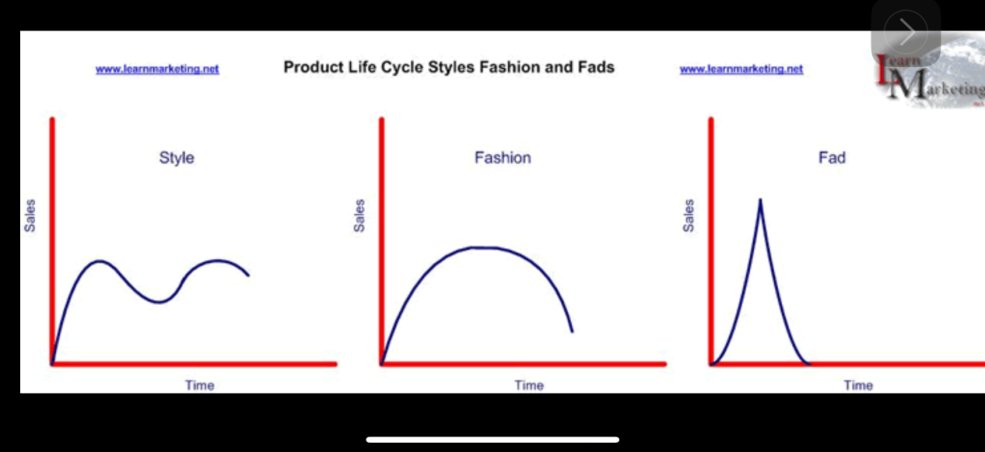
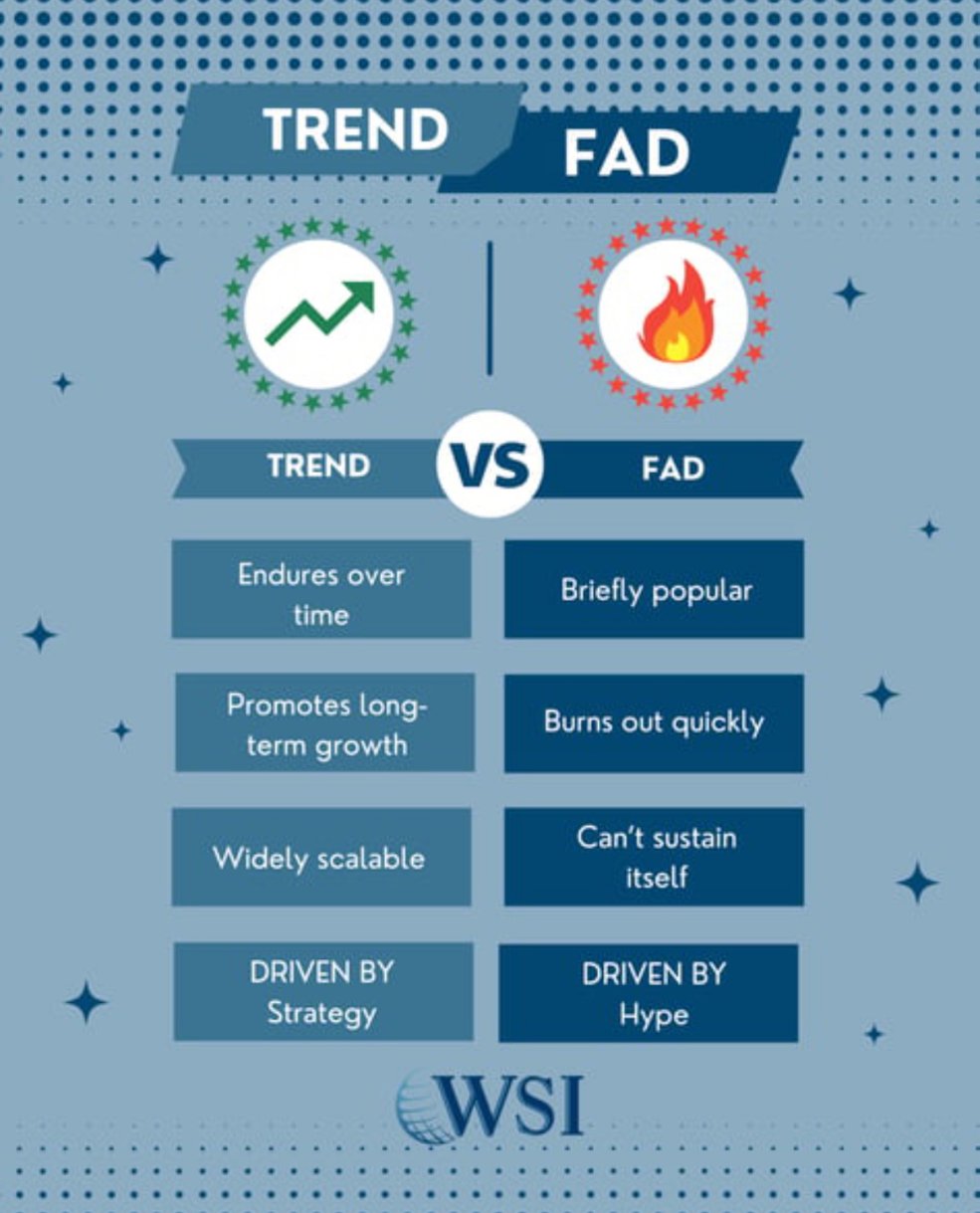
Of the three styles identified (tie-dye, splat and ombre) which, if any, is a trend (ie an enduring change in style) rather than a fad (ie a short-term craze)? And what type of analysis should be carried out to answer this question?
Regardless of the trend chosen, how can L’Oréal Paris further leverage social media to build the marketing plan for the new brand?
Course task reproduced as context. The response below is Fiona’s independent academic work. KEATS source ↗ (university access required).
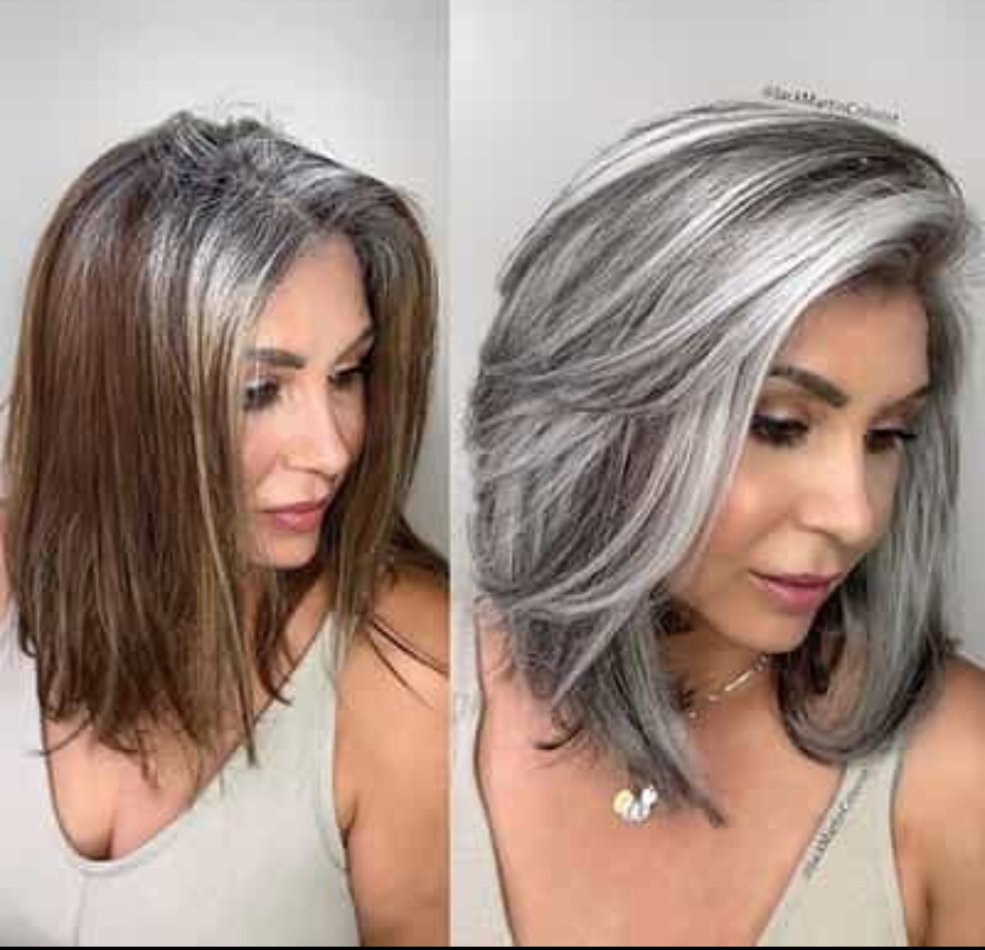
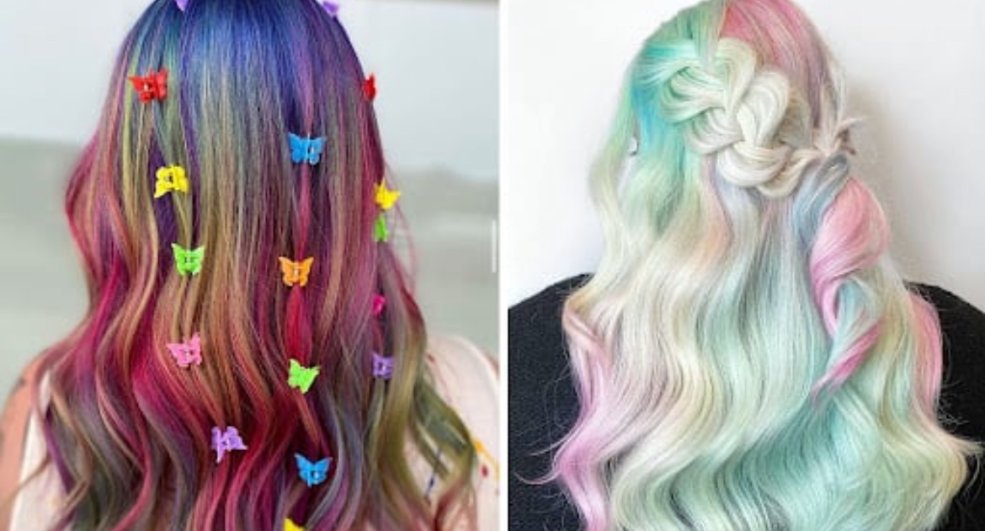
Explore writing on this question ↗I’ll will confess, the first time I tried ombre hair it had nothing to do with being trendy. My white hairs started popping up, and ombre turned out to be a clever way to blend them in. Darker at the top, lighter at the bottom, and suddenly those greys don’t scream for attention anymore. That was my first little clue that ombre might actually be more than a short phase. When something solves a real problem in everyday life, people keep coming back to it. That’s usually how a trend forms, instead of a quick hype moment that disappears (Dubois, 2014). At the same time my daughter, somewhere between nine and twelve, was obsessed with tie dye hair. Bright colours, rainbow everything. She loved it. But here’s the real world moment. I was not letting her permanently dye her hair like that for school. Temporary colour for fun was fine, but permanent rainbow hair on Monday morning felt like asking for social drama.
That’s where the marketing side of this gets interesting. Kids may want the product, but parents hold the wallet. The user and the buyer are not always the same person. That can slow down how widely something spreads. There’s also the professional reality check. Imagine showing up to a corporate job interview with splat hair or rainbow tie dye. Some creative industries would love it. A bank probably would not. Ombre works because it still looks polished and natural. It fits into both professional and casual spaces.
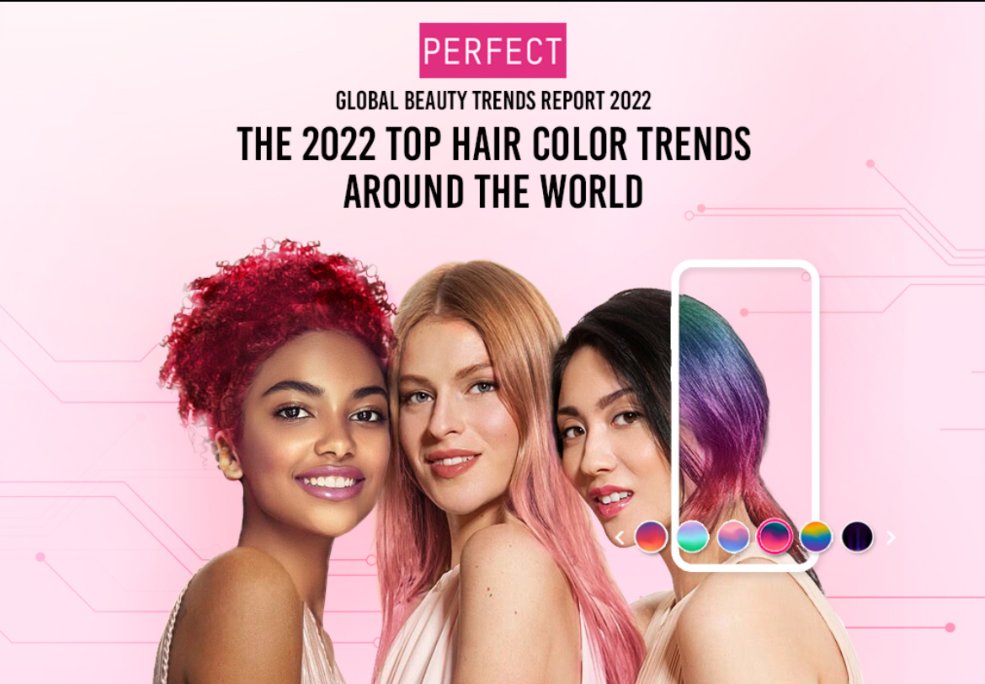
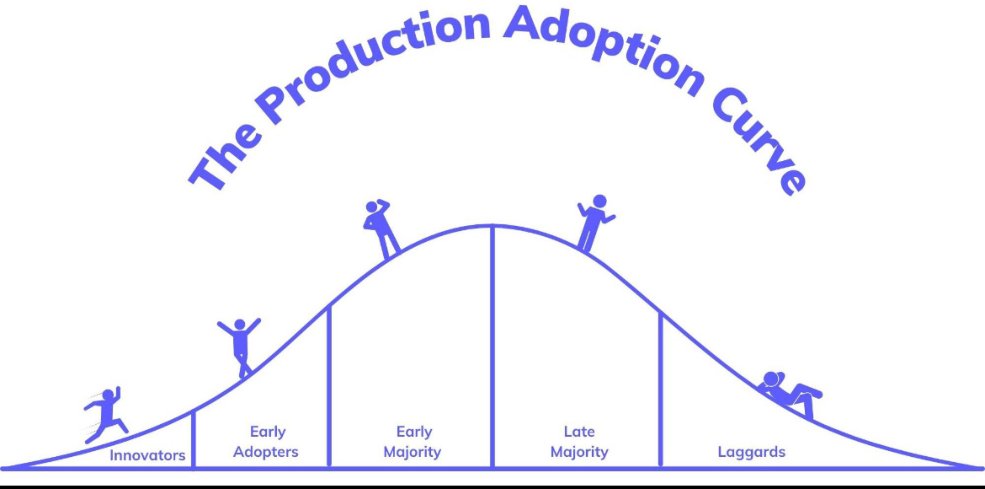
That wider acceptance is usually what separates a trend from a fad. If we look at this through a marketing lens, it also lines up with the Diffusion of Innovation idea. New styles usually start with a small group of bold early adopters who are happy to experiment. That feels like the group trying splat or tie dye hair right now. For something to become a real trend it has to move beyond that group and reach the early majority. Ombre seems to have done that because salons, celebrities, and everyday consumers all started adopting it.
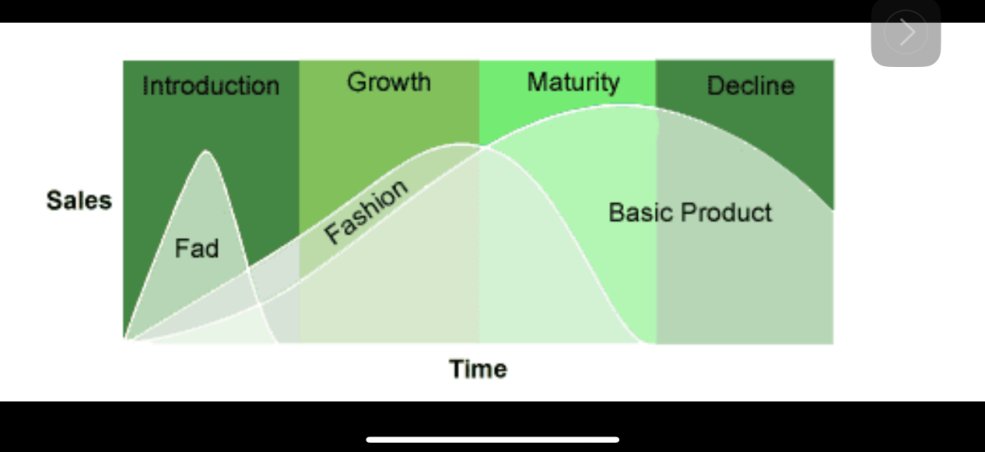
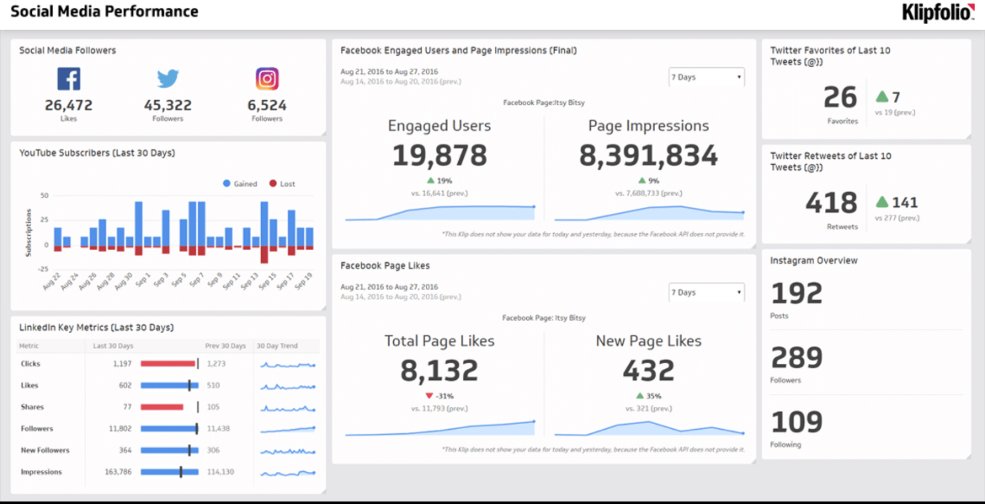
Another way to think about it is the Product Life Cycle. Fads tend to explode quickly and disappear just as fast. Trends grow more steadily and stay around longer because they fit into daily routines. Ombre looks like it moved through introduction and growth into something more stable. Tie dye and splat hair still feel like they are sitting in that early excitement stage. To really confirm whether something is a trend or a fad, L’Oréal would need data rather than guesses. Social media listening would show whether people are still talking about these styles months or years later. Google Trends could reveal whether search interest stays consistent or spikes briefly and fades. Sales data from salons and retail products would also show whether people are buying these styles repeatedly.
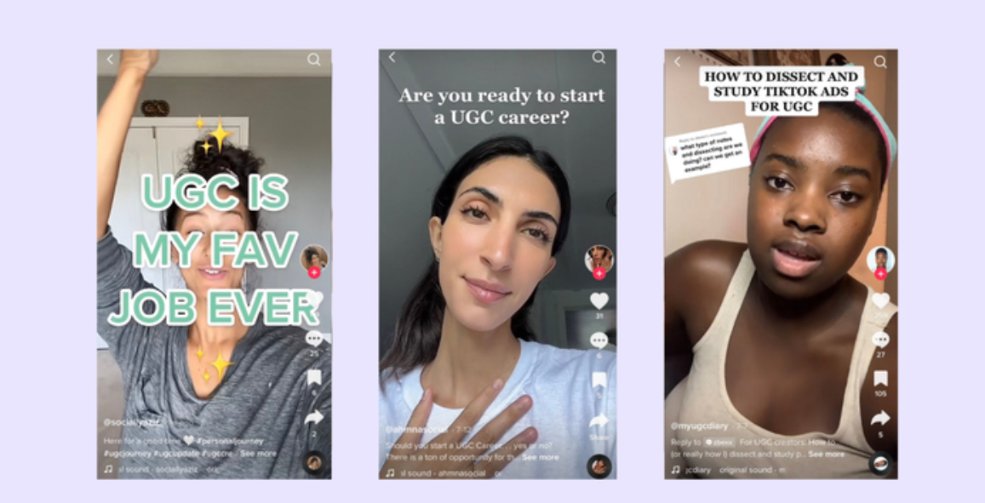
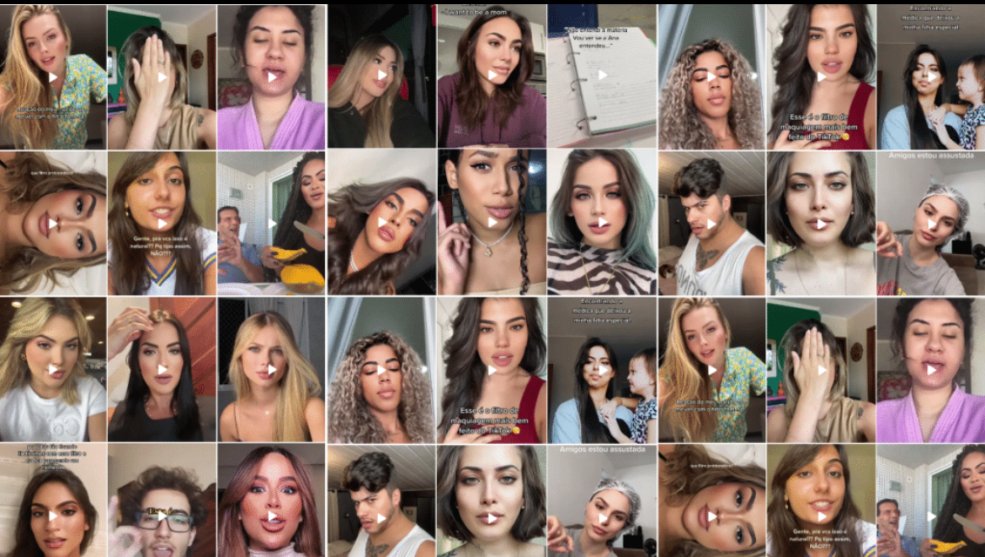
When it comes to marketing the new brand, social media is where L’Oréal really has an advantage. The case talks about push and pull strategies (Dubois, 2014). Push means promoting the style through advertising and influencers. Pull happens when consumers start sharing their own hair transformations online and others want to copy it. Hair transformations are perfect for this. One person posts a before and after photo, and suddenly ten people in the comments are asking how they did it.
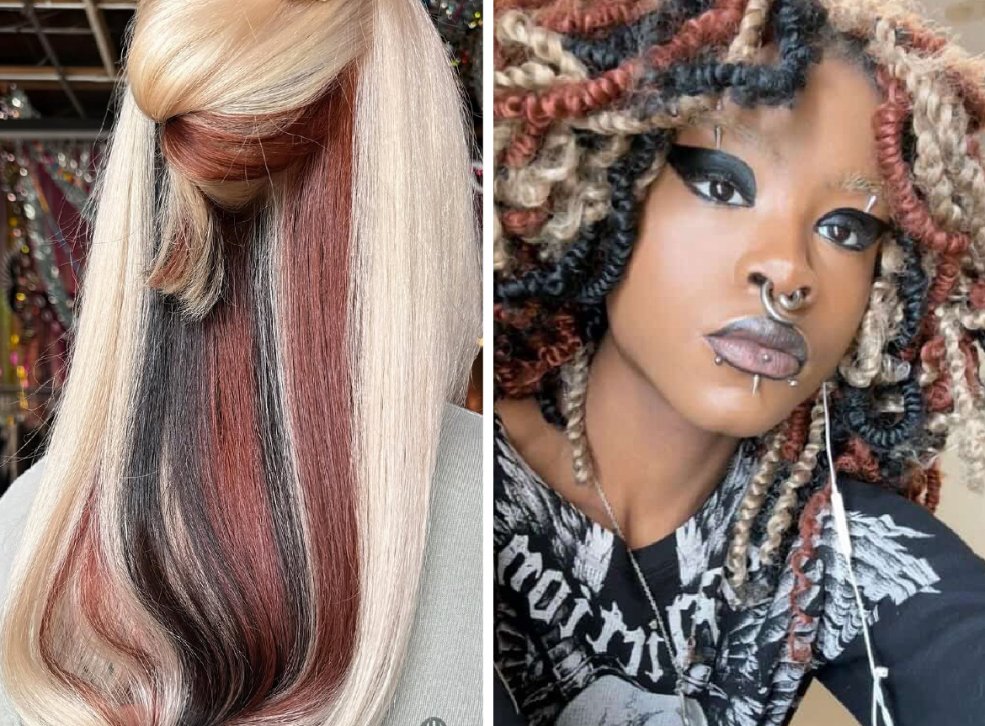
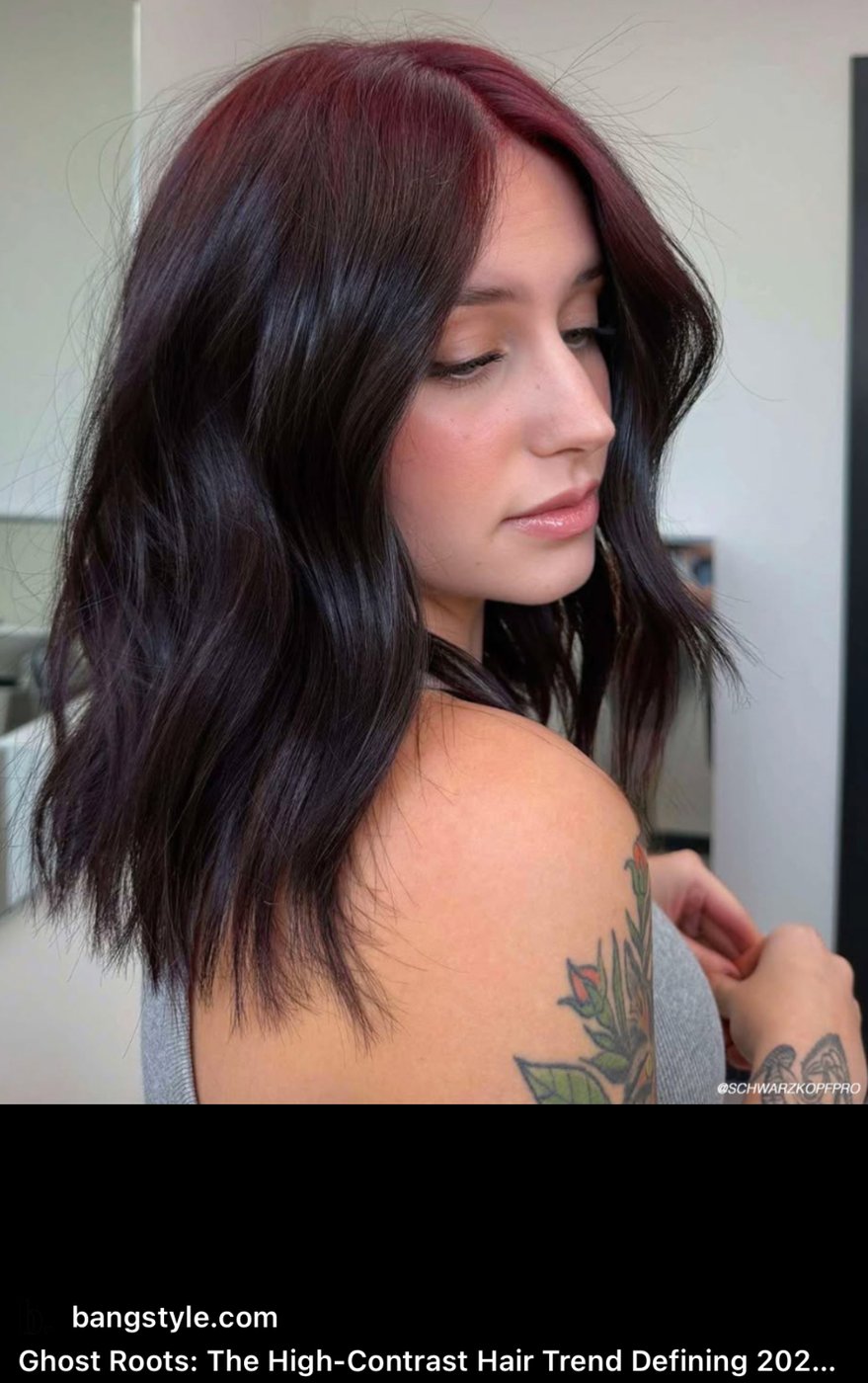
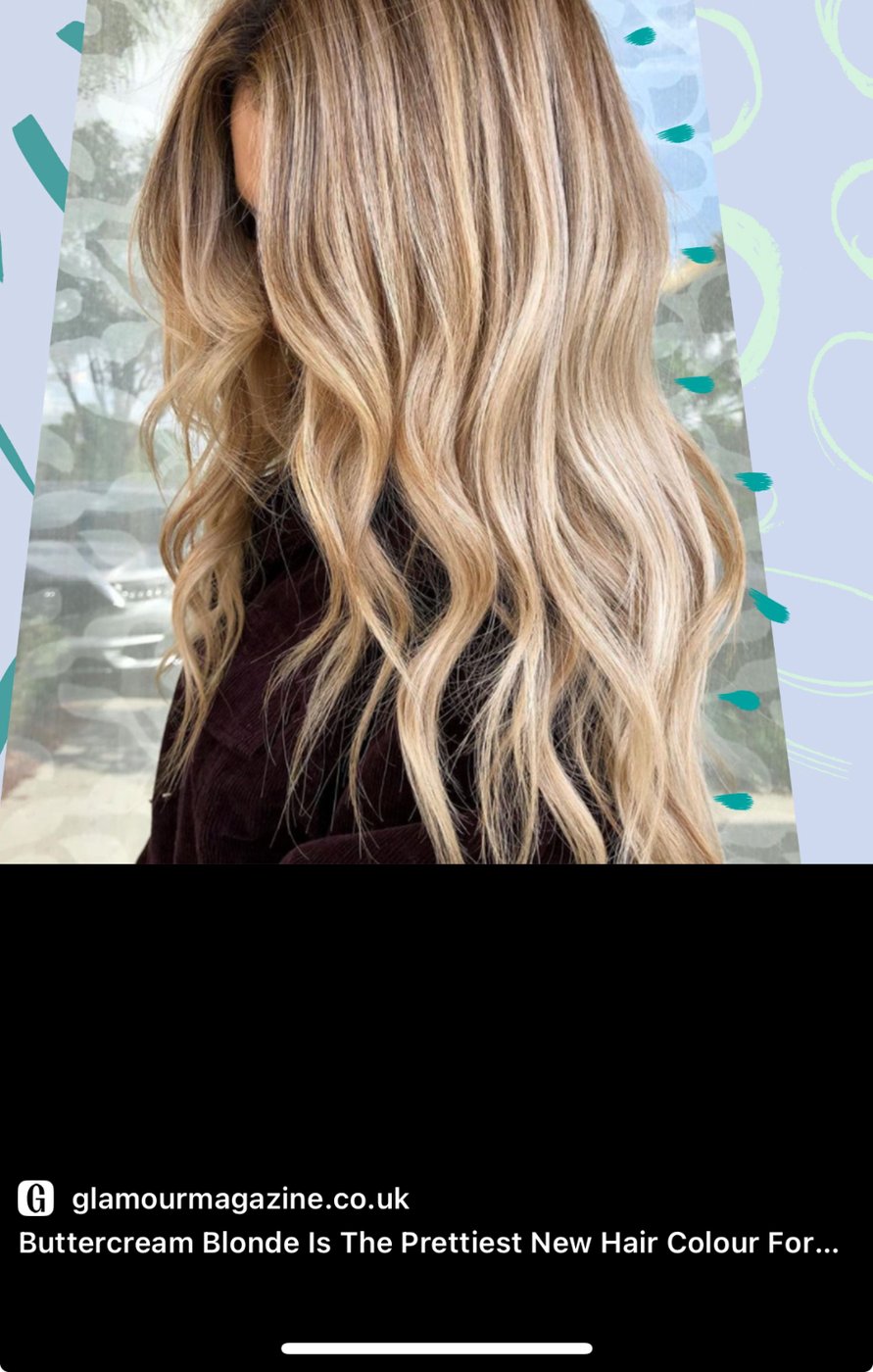
L’Oréal could build on this by working with hairstylists and beauty creators who demonstrate the look. Encouraging people to share their own results using branded hashtags would also turn customers into promoters. Social listening tools would help the brand track which styles are gaining attention so they can react quickly with products and campaigns. Before I wrap up, I started thinking about current hair trends. Right now many salons are moving toward natural looking colours like glossy brunettes, buttercream blondes, and soft balayage. Those styles work in everyday life, which might give them staying power. But bold looks are popping up again too, like ghost roots, where the roots are a completely different colour from the rest of the hair.
Sometimes trends can feel a bit like the Tweety Bird tattoo someone got at 19 and later regrets. It seemed like a brilliant idea at the time, but years later you are wondering what you were thinking.
So I’m curious what everyone else thinks.
Do you think the newest hair trends we’re seeing now will become long lasting trends, or are they just another Tweety tattoo moment waiting to happen?
Images from the original

References.
- Dubois, D. (2014). Ombre, Tie-Dye, Splat Hair: Trends or Fads? Pull and Push Social Media Strategies at L’Oréal Paris. Harvard Business School.
- Kotler, P., & Keller, K. (2016). Marketing Management. Pearson.
- Rogers, E. (2003). Diffusion of Innovations. Free Press.
Archive notes
Some embedded material is omitted where it contains personal details, other people’s writing, or no article content. Available article images are shown with source captions.