
Original submission details
Original title: Response to Anastasia(ABT) ☕ CCC: Coffee, Clusters, and the Cult
View original KEATS context ↗ (university access required).
3.8 Using cluster analysis
Please find an example of a specific situation at your job or in your daily life as a consumer in which cluster analysis might have helped you and/or your company to derive meaningful insights for better decision-making.
What was the problem? How could cluster analysis assist in solving that problem? What kind of clustering variables would have been most useful to choose to conduct the clustering?
Remember that cases or objects do not always need to be customers.
Post your example to the forum below and describe what the problem was and why you think cluster analysis would be useful in this case. Also specify what the observations (the cases or objects you would like to cluster) would be in that instance and what kind of clustering variables would make the most sense to use in your case to conduct the clustering.
Course task reproduced as context. The response below is Fiona’s independent academic work. KEATS source ↗ (university access required).
Explore writing on this question ↗Sorry @Anastasia(ABT) for some reason, I was not able to post this under your post.
ABT, you’ll appreciate this because if anyone understands coffee devotion, it’s you.
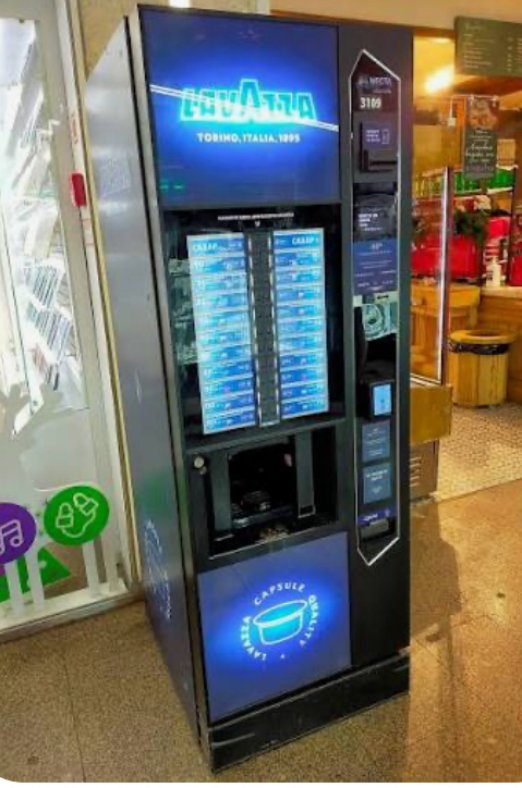
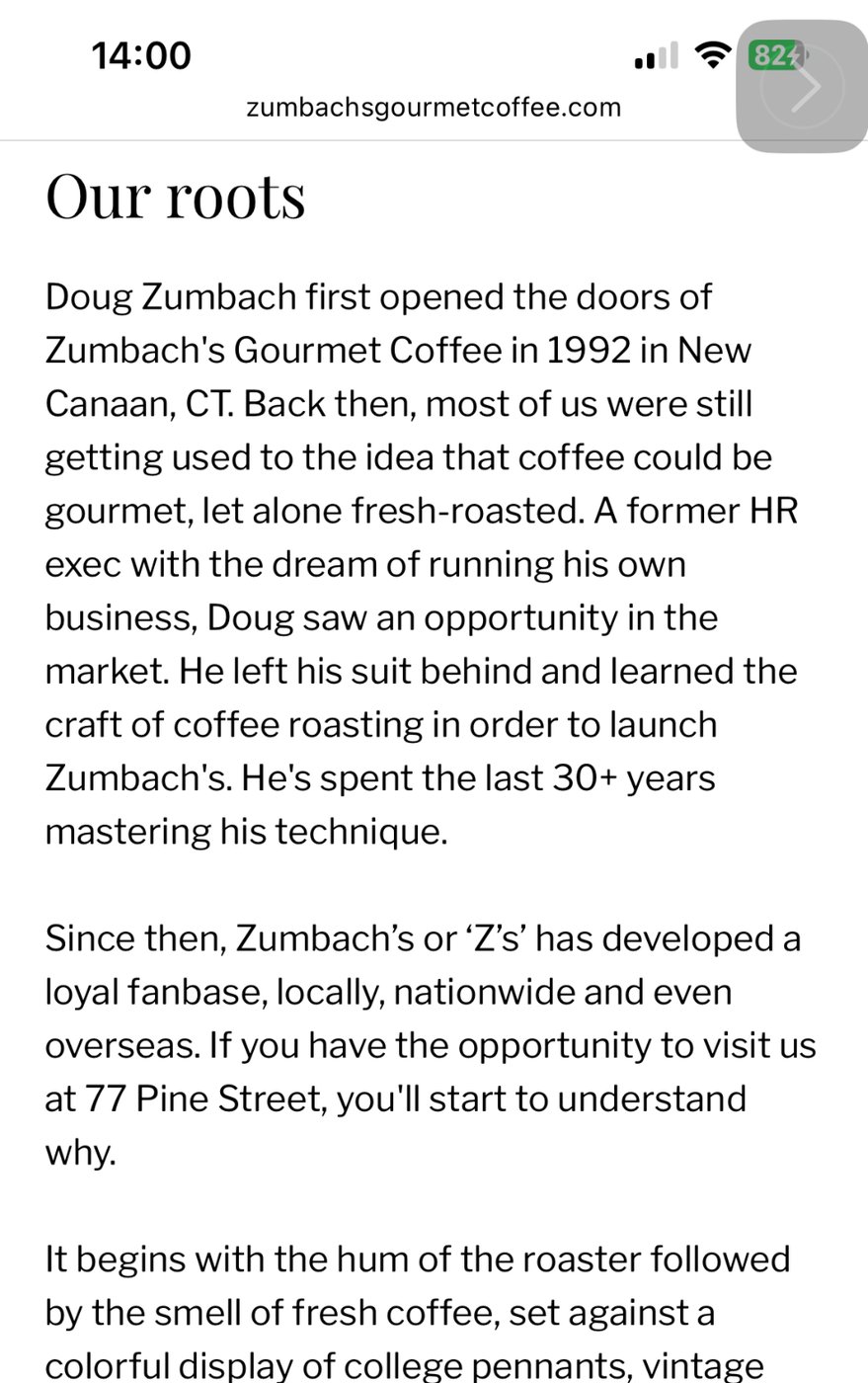
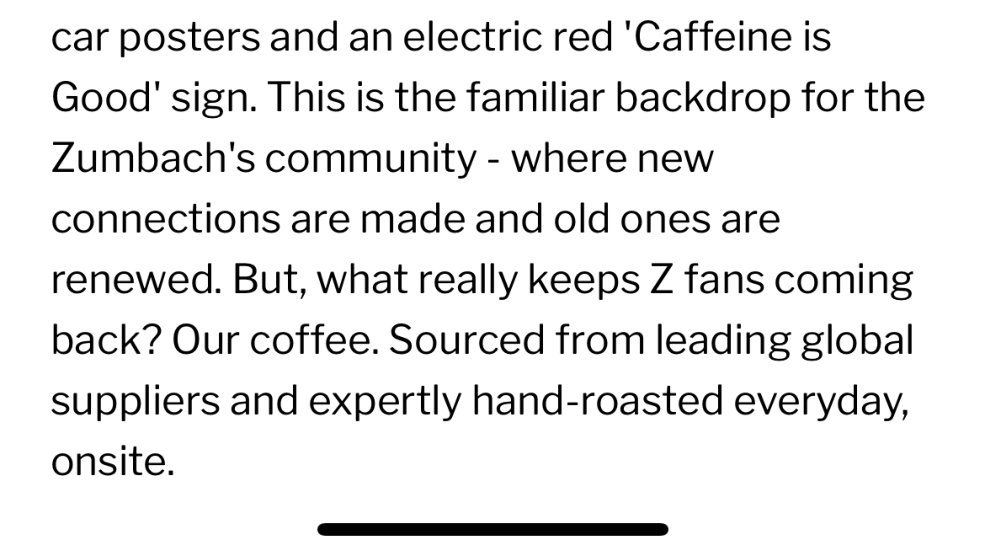
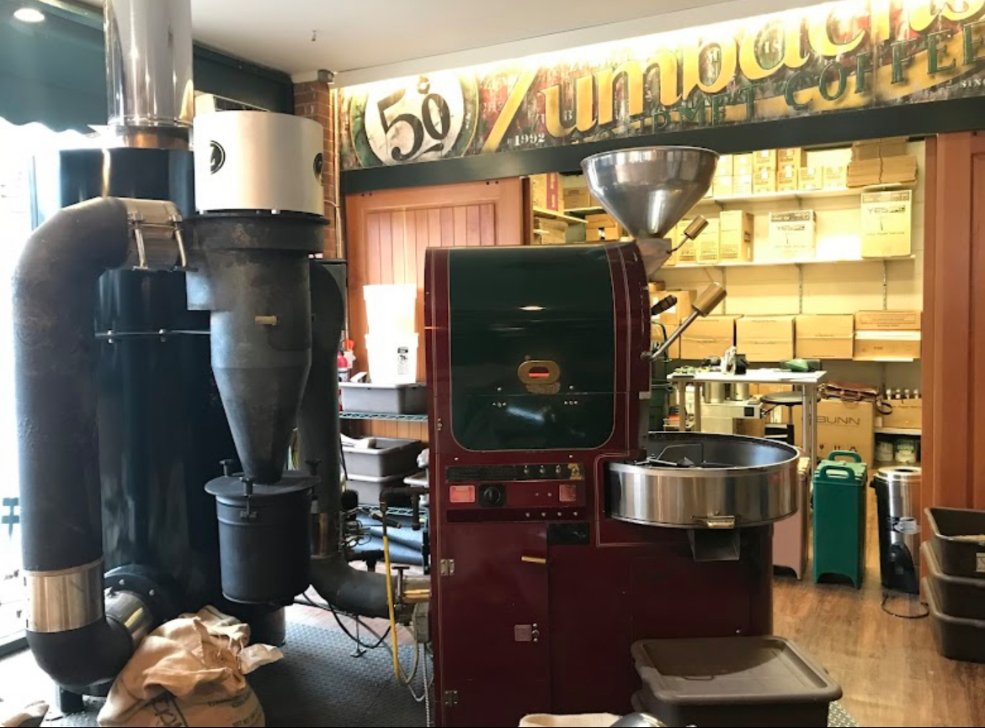
As a self-confessed coffee slut, I’ve tested espresso across continents. Last week, my greatest heartbreak came in Italy itself, supposedly the homeland of caffeine purity. Disappointingly and shockingly the best cup I had was from a Lavazza airport machine. It was all promise and no payoff. The same thing happened with Black Sheep Coffee at Heathrow: their marketing flirted shamelessly, all dark and mysterious, and then left me high and dry. Great coffee is about chemistry. It needs to spark neurological connections in the brain, with flavor, connection, character, and ritual… evoke something, stir something within, the full sensory seduction that experiential marketing celebrates (Pine & Gilmore, 1999). The best brands know how to build anticipation, awaken the senses, and leave you satisfied but wanting more (Schmitt, 2010). Z Coffee in New Canaan, Connecticut gets it exactly right. Z has a cult following. People (myself included 🙋♀️) proudly wear Z bumper stickers like membership badges in a loyal “we are going steady” relationship. It’s not like they’re bending backwards for us either. They don’t take cards. They ban phones. Yet New York commuters still line up, cash in hand, for their daily fix. That’s a big deal for New Yorkers to put up with. The owner never advertises, they don’t even have a decent website, his customers do it for him. If you forget your cash, he simply says, “Don’t worry, you’ll be back.” And he’s right. We all come back. The whole town smells of roasted beans, the air hijacking your brain to get a coffee from there. It’s a living example of sensory branding (Hultén, 2011): scent as memory, memory as emotion, emotion as loyalty. You don’t just drink Z Coffee it makes you belong to it.
I’ll never forget the billboard in New York City when I was a kid in Times Square that was emitting the smell of coffee. I didn’t even drink coffee, but I wanted one and I never forgot it. That, ABT, is where your cluster analysis idea could brew real magic. Forget the “grab-and-go” crowd, they are this crowd if you get this right. The real insight lies in understanding how people fall for a cup. Some crave the visual tease, the pour, the crema, the swirl the tantalizing presentation. Others are turned on by scent, or by the tactile warmth and texture of the beverage silky smooth, or get excited by the sound of steam that signals something that brings them ecstasy is coming. Those are the true clusters: sight, scent, touch, taste, sound. Each sense a different doorway into devotion (Wedel & Kamakura, 2012). hahah Coffee Kama Sutra!
So yes, numbers matter but the real data lives in the senses to the heart. When a café learns which nerve buttons to touch…visual, aromatic, or tactile, it starts creating loyal connection. Because the best coffee, like the best love affair, takes its time to figure out your buttons to reach the big O, and it leaves you addicted and dreaming of the next cuppa. ☕ ❤️
Whoever is reading this, seeing these images, has it made you want a coffee?
⸻
Images from the original


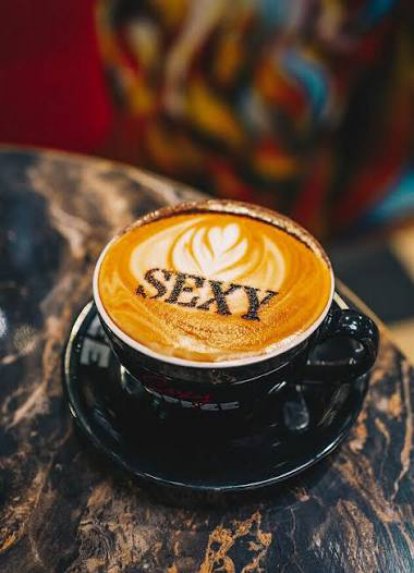

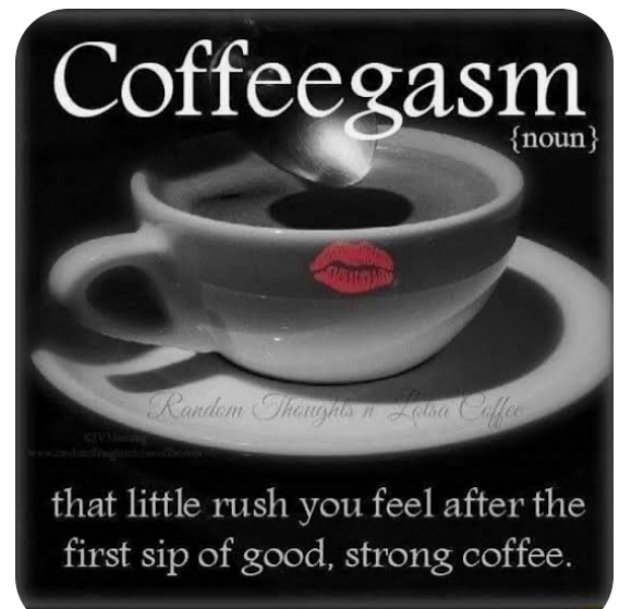
References.
- Hultén, B. (2011). Sensory marketing: The multi-sensory brand-experience concept. European Business Review, 23(3), 256– 273. https://doi.org/10.1108/09555341111130245
- Pine, B. J., & Gilmore, J. H. (1999). The experience economy: Work is theatre and every business a stage. Harvard Business School Press.
- Schmitt, B. (2010). Experience marketing: Concepts, frameworks and consumer insights. Foundations and Trends in Marketing, 5(2), 55–112. https://doi.org/10.1561/1700000027
- Thomson, M., MacInnis, D. J., & Park, C. W. (2005). The ties that bind: Measuring the strength of consumers’ emotional attachments to brands. Journal of Consumer Psychology, 15(1), 77–91. https://doi.org/10.1207/s15327663jcp1501_10
- Wedel, M., & Kamakura, W. A. (2012). Market segmentation: Conceptual and methodological foundations (2nd ed.). Springer.