Original submission details
Original title: Re: 🔥Fyre Festival: Why We Love to Buy the Fantasy (Even When It Burns Us)
View original KEATS context ↗ (university access required).
5.10 Fyre Festival
1. Identify the root causes of the festival’s failure. 2. What instructions would you give to McFarlane for changing the way the next event is planned, and how would the organisers themselves need to change? 3. Analyse the history of the Fyre Festival. What was the intended vision, and when did this vision start to change? Who are the key players? Who is accountable? 4. As a consultant to McFarlane, what specific criteria should be used to measure event planning alternatives and what metrics should be used to gauge their success?
Course task reproduced as context. The response below is Fiona’s independent academic work. KEATS source ↗ (university access required).
Explore writing on this question ↗Original response
Submitted · 10:51 PMRe: 🔥Fyre Festival: Why We Love to Buy the Fantasy (Even When It Burns Us)
Thank you, and thank you for reading it. Pitty they want me to cut it out and use academic formal language from now on if I want better grades. :( and no more emojis …
Follow-up response
Submitted · 3:01 AMRe: 🔥Fyre Festival: Why We Love to Buy the Fantasy (Even When It Burns Us)
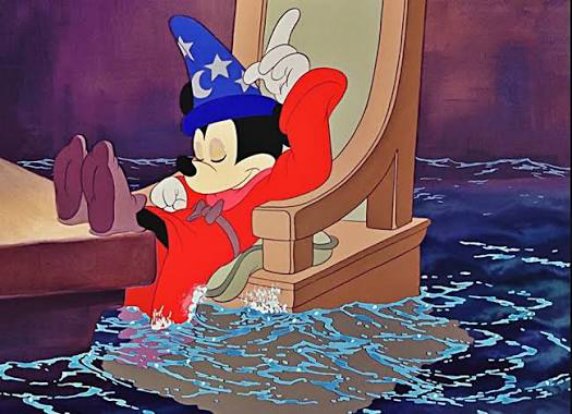
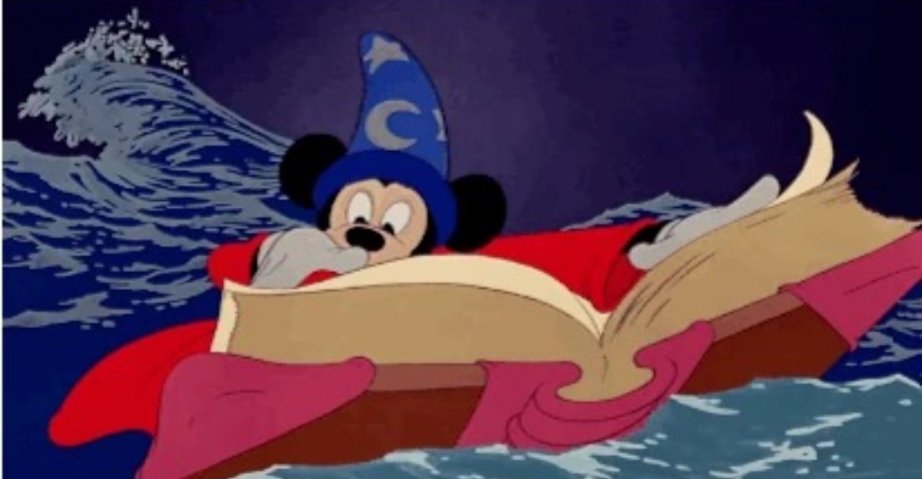
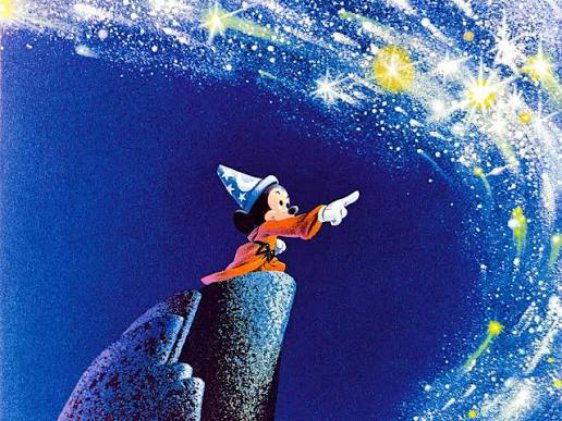
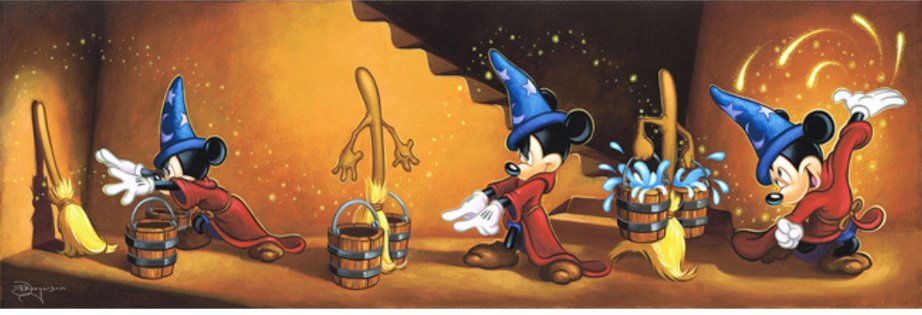
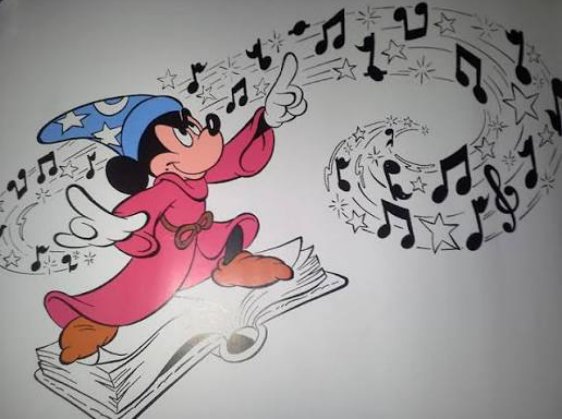
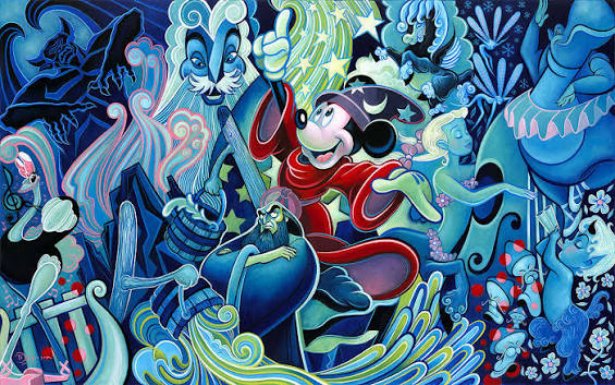
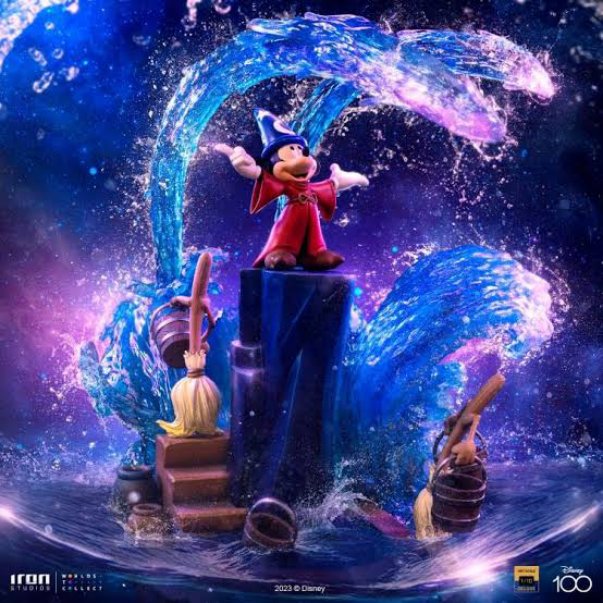
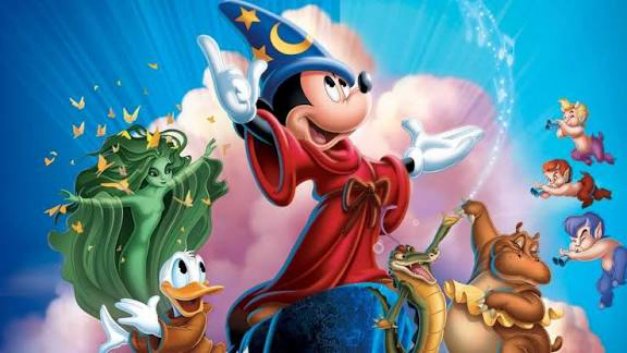
McFarland, the apprentice who once let his magic run wild, stands in the middle of the storm he created.
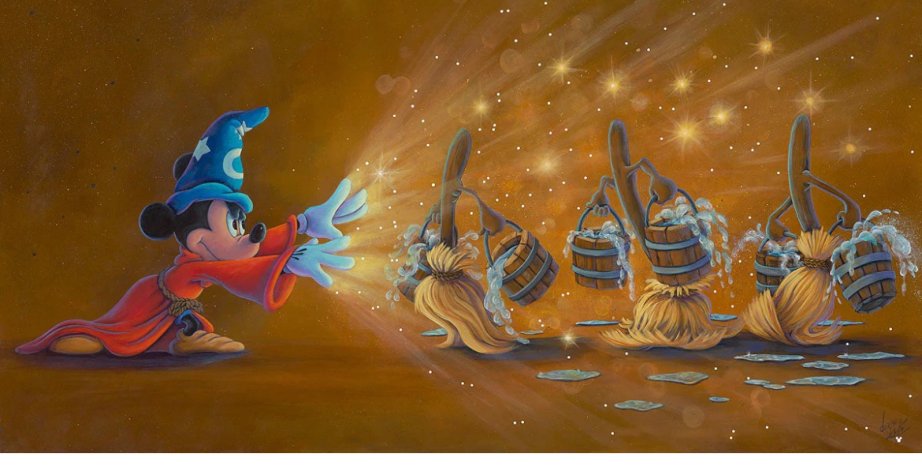
broomsticks of hype gone rogue, waves of chaos still splashing from the last spell gone wrong. But this time, he’s got his sleeves rolled up and a sparkle of redemption in his eye. ✨
With a flick of his wand (and maybe a cautious glance at the disaster mop still twitching in the corner), he begins again. First — whoosh! — he casts the Spell of Transparency. No more smoke and mirrors, just open plans and honest updates. He shows everyone the workshop as it’s being built — the tents going up, the food being prepared, the artists tuning their instruments. Every detail, visible and real.
Next, he waves the wand again — swish! — and out floats the Charm of Authenticity. Gone are the fake luxury dreams; in their place come real creators, local hands, and genuine culture. The islanders become part of the orchestra this time, not the forgotten stage crew. Then, as glowing orbs of social media magic swirl around him, he sprinkles the Influencer’s Truth Dust. Only honest voices may speak now — no filters, no false glamour. Real people, real excitement.
Finally, he hums a little tune and conjures the Technology of Trust — blockchain tickets that sparkle with security iridecest stickers, AI logistics that keep the broomsticks in line, and AR previews that let guests see the wonder before it even begins.
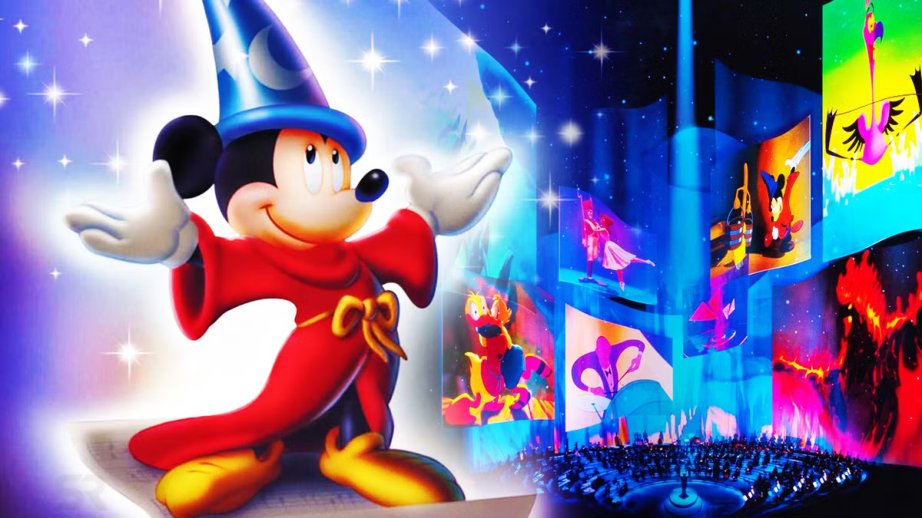
The music swells. The chaos quiets. And as the lights shimmer across his newly conjured creation, McFarland finally stands proud — not as the wizard of illusion, but as the apprentice who learned that real magic isn’t in the spectacle… it’s in the truth.
Images from the original
References.
- No references were listed in the original contribution.
Archive notes
Only Fiona’s two independent follow-up responses are included here. The final response is an imagined, creative scenario about rebuilding trust, not an account of verified events.