
My interest in alcohol-free beer starts with a very personal combination of perspectives. I am Mexican, American and Dutch, living in the UK. That makes the question of how a familiar beer brand travels across borders more interesting than a choice between translating an advertisement and keeping it in English. The same bottle can mean something quite different at an American barbecue, a Mexican gathering, a Dutch café and a British pub.
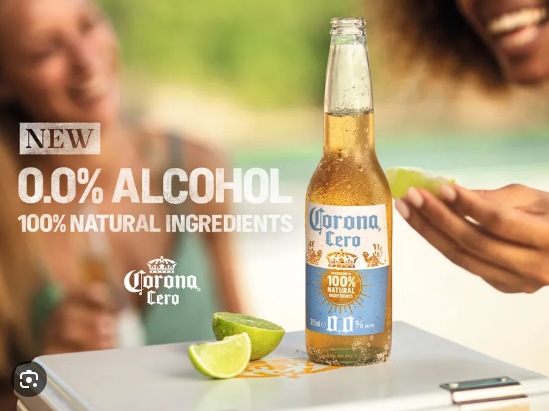
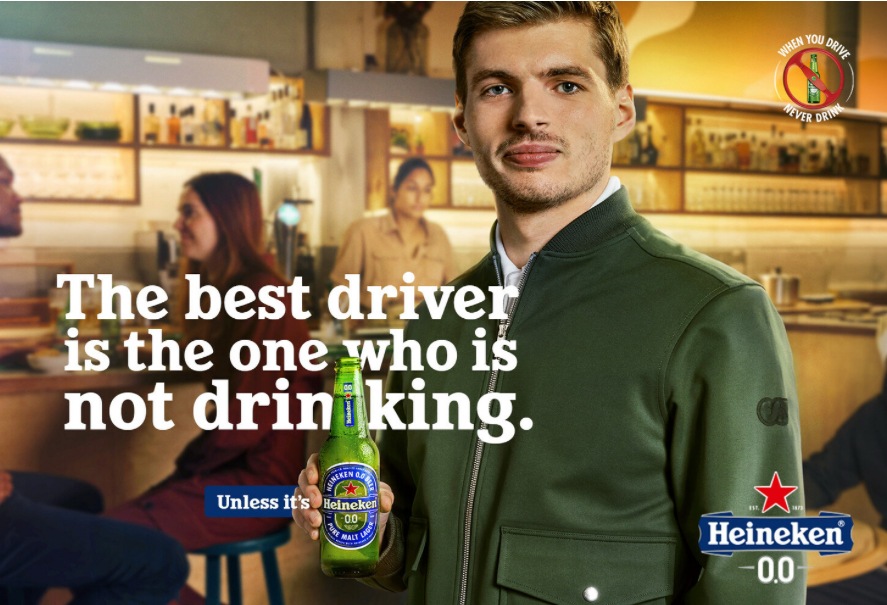
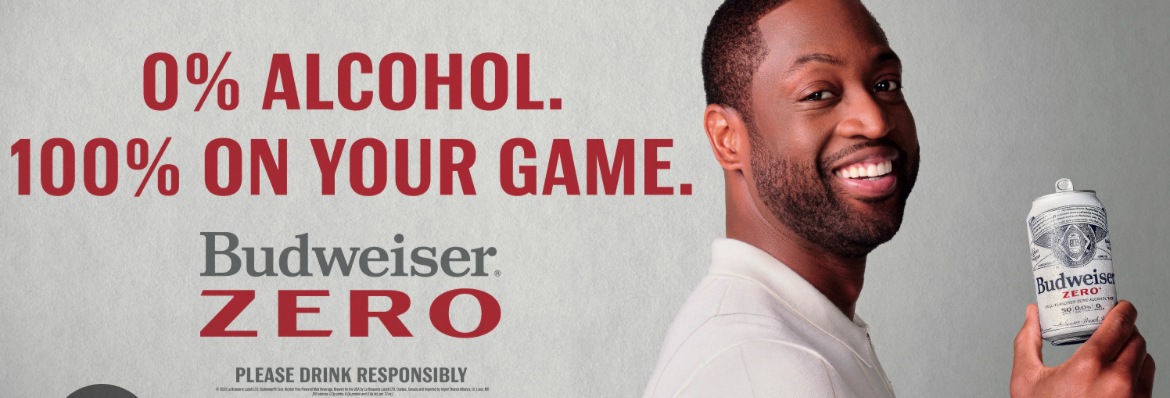
Heineken 0.0, Budweiser Zero and Corona Cero provide three useful ways into that question. Each can draw on an established beer identity. Each also has to make the alcohol-free choice feel like a credible part of that identity. The challenge is to preserve what people recognise while giving them a new occasion to buy it.
This is a strategic reading of those brands as considered in August 2025, with a particular question in mind: how could Corona Cero build a stronger position in the UK? My argument is that emotional recognition can travel widely, but commercial success still depends on local rituals, physical availability and a product people want to order again.
The product changes; the social occasion remains
People do not only buy beer for its alcohol content. They buy refreshment, a pause, a signal of belonging and something to hold while everyone else is holding something. Choosing an alcohol-free version can preserve those benefits while allowing a person to make a different decision about drinking that day.
That sounds straightforward until the social meaning gets in the way. A customer may worry that the product will taste inferior, look less authentic or require an explanation. The commercial task is therefore larger than demonstrating that alcohol has been removed. The brand needs to make the choice feel normal and desirable.
My informal conversations around this topic raised taste, authenticity and social credibility repeatedly. They are useful prompts for a strategy, rather than a representative consumer study. They suggest that brands should investigate the meaning of the choice alongside the quality of the liquid. A product can pass a taste test and still feel awkward to order in company.
The three brands suggest different starting positions. Heineken 0.0 can work through familiar sociability and the permission to choose freely. Budweiser Zero can draw on sport, performance and an established American beer identity. Corona Cero can borrow the parent brand's associations with relaxation, sunshine and escape. These are interpretations of brand assets, not proof that every consumer sees the brands in the same way.
Culture is a useful question, not a complete answer
Cross-cultural frameworks help explain why a message may resonate differently across countries. Hofstede's dimensions, for example, encourage marketers to ask about individual choice, group belonging, status, uncertainty and indulgence. De Mooij's work reminds us that consumer behaviour sits inside a cultural context rather than outside it.
The comparative framework below preserves the strategic questions from my original analysis. It should guide research and creative testing; it should not become a set of fixed national personalities. Differences between people, occasions and subcultures inside one country can be more useful commercially than the country average.
| Market | Cultural lens for the analysis | Possible alcohol-free message | Question to test locally |
|---|---|---|---|
| United States | Individual choice, achievement and visible performance | Stay part of the occasion while making your own choice | Does sport create relevance, or narrow the audience too far? |
| Mexico | Celebration, relationships, enjoyment and aspiration | Keep the refreshment and shared occasion | Does the execution feel socially inviting and locally familiar? |
| Netherlands | Informality, equality, sociability and an appetite for understated humour | A familiar beer choice without a performance about sobriety | Does the humour feel natural, and does the product preserve the drinking ritual? |
| United Kingdom | Individual choice, moderation and sensitivity to overt persuasion | Enjoy the occasion on your own terms | Can customers order it easily and confidently in the places they already socialise? |
In the United States, a sports association may make the product compatible with an achievement-oriented identity. In Mexico, Corona's imagery can invite a moment of relaxation and connection. In the Netherlands, humour and a familiar social scene can remove the sense that an alcohol-free drink needs a solemn justification. In the UK, the opportunity may be to make moderation unremarkable: the customer simply orders the drink they want.
These are hypotheses about communication, not claims that an entire population responds identically. A British customer may love an exuberant campaign. A Dutch customer may reject the joke. The framework earns its place only when it helps generate better questions and better tests.
Emotion and reason work together
I do not find the division between rational and emotional advertising especially useful here. A relatively inexpensive drink can be chosen because it looks appealing, fits the mood or makes someone feel included. The same person may then justify the purchase through taste, convenience or the decision to avoid alcohol.
The Elaboration Likelihood Model offers a more useful way to think about this. People do not always process every message with the same level of attention. Familiarity, tone, the people in a scene and the situation in which a brand appears can influence a low-involvement choice. More deliberate evaluation may follow when the customer compares taste, ingredients or value (Petty and Cacioppo, 1986).
For a brand, the implication is to connect those stages. A beautiful sunset may create interest, but it will not repair a disappointing drink. A technical explanation of the product may reassure an interested buyer, but it may never make that buyer interested in the first place. Emotional relevance and credible product delivery need to reinforce one another.
Three brands, three lessons for the UK
Heineken's “0.0 Reasons Needed” idea is useful because it addresses the social explanation directly. The strategic appeal is that choosing an alcohol-free beer should not require the customer to defend a personal decision. The campaign is a communication example; it does not, by itself, establish market leadership or explain every purchase.
For a moderating professional who wants to stay sociable during the working week, the proposition is easy to understand. The product should fit the evening without turning the evening into a discussion about abstinence. The corresponding distribution lesson is equally simple: that promise works better when the customer can find the drink on the menu, in the fridge and in the places where they already buy beer.
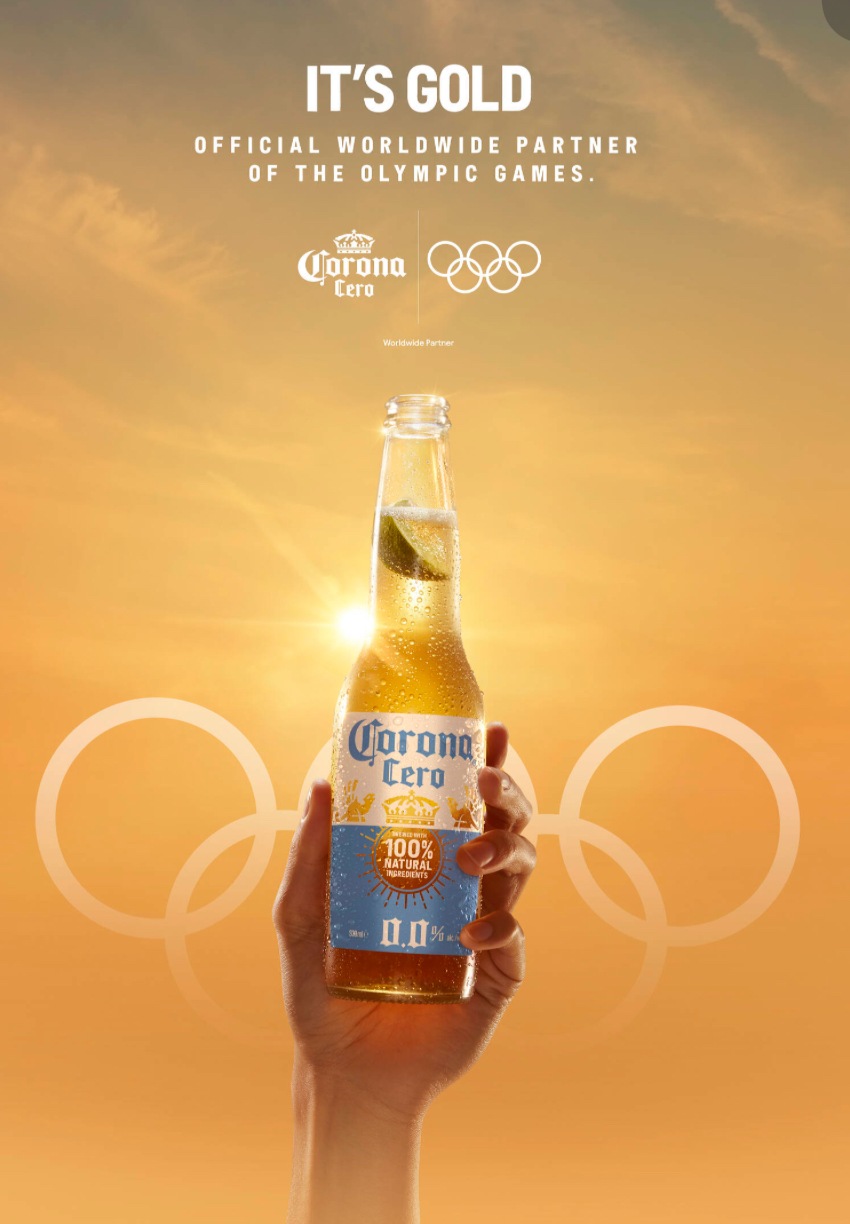
Corona Cero has a different emotional asset. Relaxation is an appealing idea in a country whose weather does not always cooperate with it. The brand can offer a small moment of escape without turning moderation into a moral achievement. Its Olympic association in 2024 supplied a prominent platform, but an event association and sustained local demand are different commercial questions.
The proposed audience is a set of occasion-based segments: people who want a drink after work without alcohol, people enjoying an outdoor gathering, and people who want to take part in a sporting or social occasion while moderating. These segments are more actionable than assuming all younger consumers want the same aesthetic or that all older consumers resist the category.
Budweiser Zero offers a caution about the distance between inherited recognition and local relevance. An American sporting identity does not automatically translate into an order in a British pub. The strategic question is whether the brand creates an understandable occasion and backs it with access. I would investigate visibility, stocking, menu presentation and trial before concluding that the identity itself cannot travel.
| Brand lens | Useful strategic asset | Risk to investigate | Lesson for Corona Cero |
|---|---|---|---|
| Heineken 0.0 | Familiarity and freedom from social explanation | Awareness without satisfactory taste or availability | Normalise the choice and make the order easy |
| Budweiser Zero | Sporting identity and parent-brand recognition | Global recognition without a relevant local occasion | Connect the story to places and moments where people actually buy |
| Corona Cero | Relaxation, escape and a recognisable visual world | Attractive imagery that does not convert into repeat purchase | Match emotional interest with taste, presentation and distribution |
Why entertainment belongs in the strategy
Most people are not waiting for more advertising. We skip it, mute it or pay to avoid it. Yet we willingly spend time with stories. A brand appearing naturally inside a scene can therefore reach people in a different state of attention from a conventional interruption.
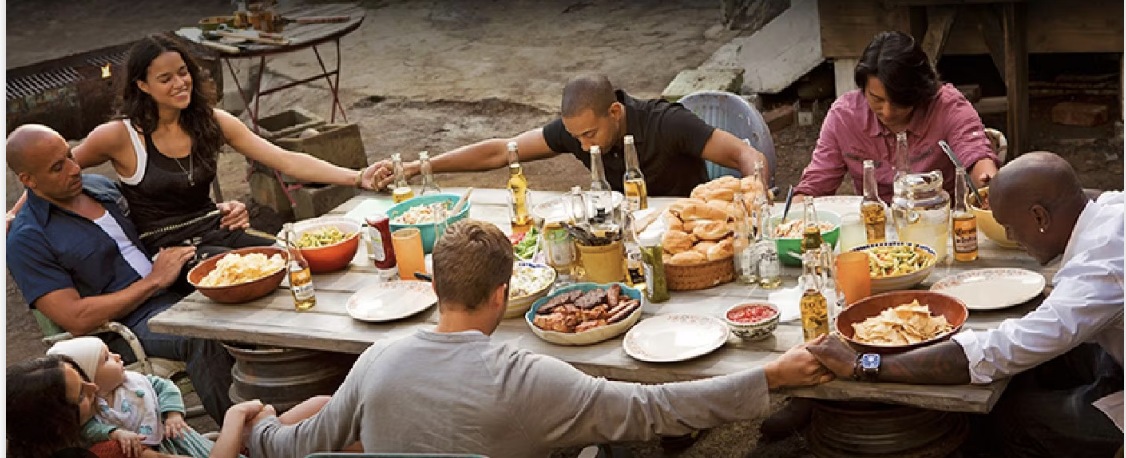
Corona's association with the Fast & Furious films is a useful example of a parent brand becoming part of a recognisable social world. The relevant evidence concerns regular Corona. It should not be described as proof that Corona Cero already appeared in those films, or that an alcohol-free extension will automatically inherit the same effect.
The strategic possibility is nevertheless interesting. A fictional scene can communicate friendship, freedom, relaxation or celebration without a voice-over explaining the positioning. Viewers may understand the foreign setting on its own terms while still finding the situation appealing. Research into product placement helps explain why narrative fit and audience response matter (Russell and Belch, 2005; Lehu, 2007).
This is not a universal cultural shortcut. A placement can feel forced, go unnoticed or attach the brand to an unsuitable character. It also remains subject to the relevant advertising, placement and audience protections. The useful principle is narrative coherence: choose a scene in which the product belongs and in which the intended association is clear.
For Corona Cero, I would explore adult-oriented travel, food and social entertainment in which choosing an alcohol-free beer is part of the scene. The story should demonstrate an enjoyable occasion, not make an unsupported claim about health or imply that a product confers sporting ability. The measure of success should extend beyond screen exposure to recognition, trial and subsequent purchase.
Respect the ritual after winning attention
A British pub is a useful reminder that marketing happens at the point of service. Customers ask what is available, look at the glass, notice whether the drink feels like part of the occasion and judge the first sip. A brand that invests heavily in distant awareness while neglecting that moment leaves a large part of the experience unfinished.
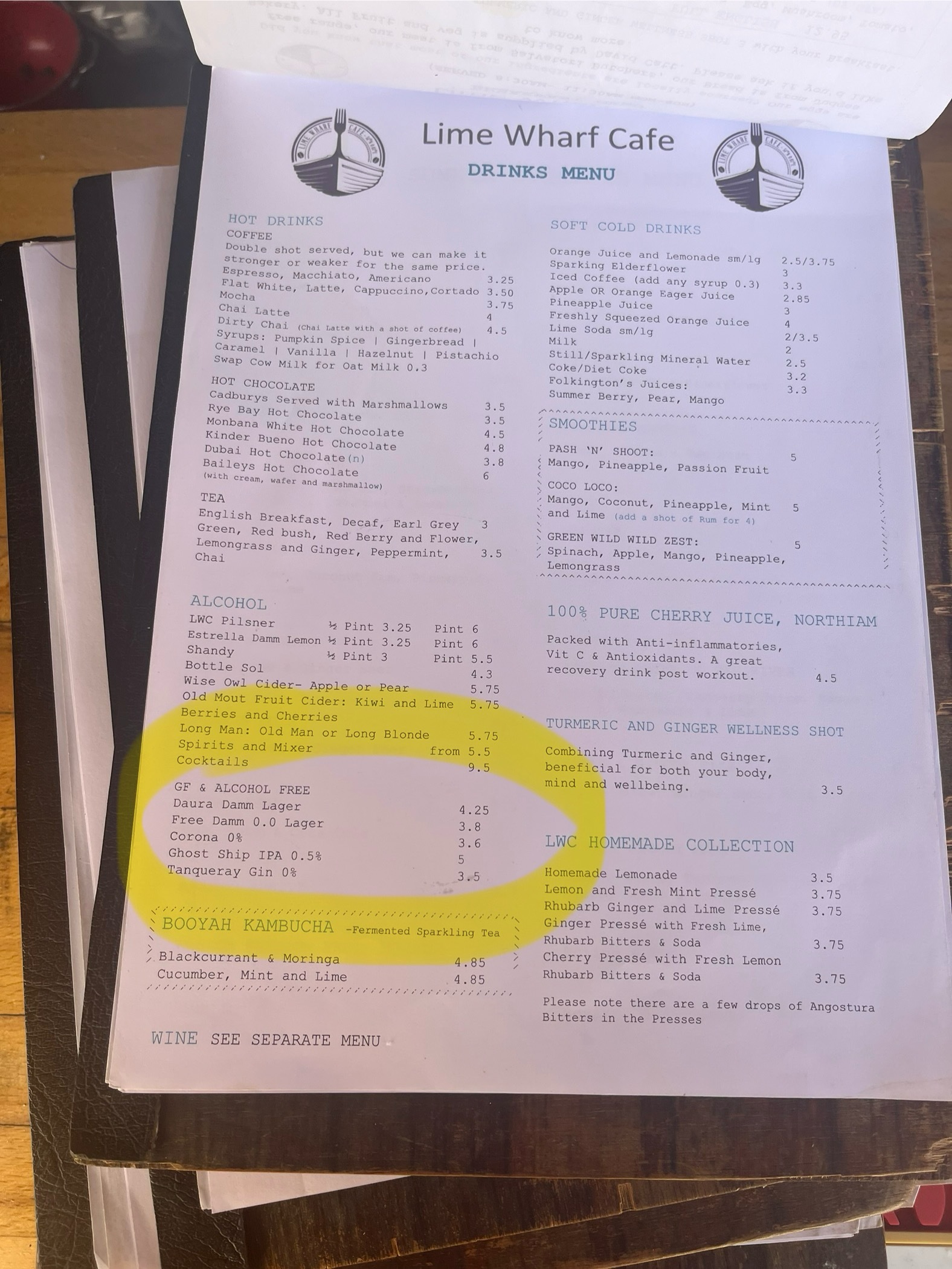
Corona Cero should investigate how to preserve its identity in the on-trade, including appropriate glassware, clear menu visibility, reliable availability and any commercially viable draught proposition. Draught should be tested as an operational and consumer choice, not treated as a guaranteed answer. A well-served bottle can work; an impractical format cannot be rescued by a strategy slide.
Retail can make trial easier too. Meal occasions, clear shelf placement and seasonal displays put the product near an immediate use. The important question is whether the placement introduces a sustainable buying habit rather than merely producing a temporary promotional spike.
Summer is an obvious creative territory for Corona, but the useful association is a feeling rather than a weather forecast. A campaign can carry relaxation into a grey working week. Its communications should emphasise inclusion and enjoyable choice, while pricing, taste and distribution determine whether that invitation survives contact with the customer.
A practical route from interest to repeat purchase
My recommendation is to connect four decisions. First, define a few adult occasions where the brand's relaxed identity is relevant. Second, use culturally tested creative and suitable entertainment partnerships to make those occasions recognisable. Third, make the product easy to find and well presented in retail and hospitality. Fourth, measure repeat purchase and satisfaction alongside awareness.
The research should compare reactions to the message with reactions to the product and the buying experience. If a campaign generates interest but not trial, access or price may be the constraint. If it produces trial without repeat purchase, taste or the experience may need work. Treating all three problems as an advertising problem wastes money.
The broader lesson goes beyond beer. Global brand equity gives a company a starting vocabulary. Local culture and local distribution determine how that vocabulary becomes useful. The strongest international strategy preserves a recognisable identity, learns how people want to encounter it and completes the journey from emotional recognition to a satisfying purchase.
References.
- de Mooij, M. (2019). Consumer Behavior and Culture: Consequences for Global Marketing and Advertising (3rd ed.). SAGE.
- Hofstede, G. (2011). Dimensionalizing cultures: The Hofstede model in context. Online Readings in Psychology and Culture, 2(1). https://doi.org/10.9707/2307-0919.1014
- Holt, D. B. (2004). How Brands Become Icons: The Principles of Cultural Branding. Harvard Business School Press.
- Petty, R. E., & Cacioppo, J. T. (1986). Communication and Persuasion: Central and Peripheral Routes to Attitude Change. Springer.
- Russell, C. A., & Belch, M. (2005). A managerial investigation into the product placement industry. Journal of Advertising Research, 45(1), 73–92. https://doi.org/10.1017/S002184990505008X
- Lehu, J.-M. (2007). Branded Entertainment: Product Placement and Brand Strategy in the Entertainment Business. Kogan Page.
- Kotler, P., & Keller, K. L. (2022). Marketing Management (16th ed.). Pearson.
- Reuters. (2024, July 25). Corona Cero’s Olympic bet ramps up rivalry in zero-alcohol beer. https://www.reuters.com/business/retail-consumer/corona-ceros-olympic-bet-ramps-up-rivalry-zero-alcohol-beer-2024-07-25/
- Marketing Dive. (2025). Heineken 0.0 looks to destigmatize abstaining alcohol. https://www.marketingdive.com/news/heineken-00-looks-to-destigmatize-abstaining-alcohol/736445/
- Business Insider. (2017, April 20). Reporting on Corona product placement in the Fast & Furious franchise. https://www.businessinsider.com/fast-and-furious-corona-product-placement-free-2017-4
- Vrontis, D., & Thrassou, A. (2007). Adaptation vs standardisation in international marketing: The country-of-origin effect. Innovative Marketing, 3(4), 7–20.